Fashion’s Whiteness Problem: Why Dolce & Gabbana’s FW26 Show Can’t Be Ignored
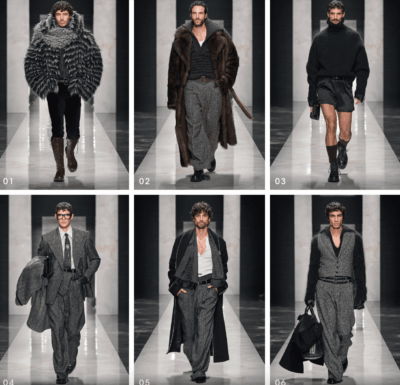
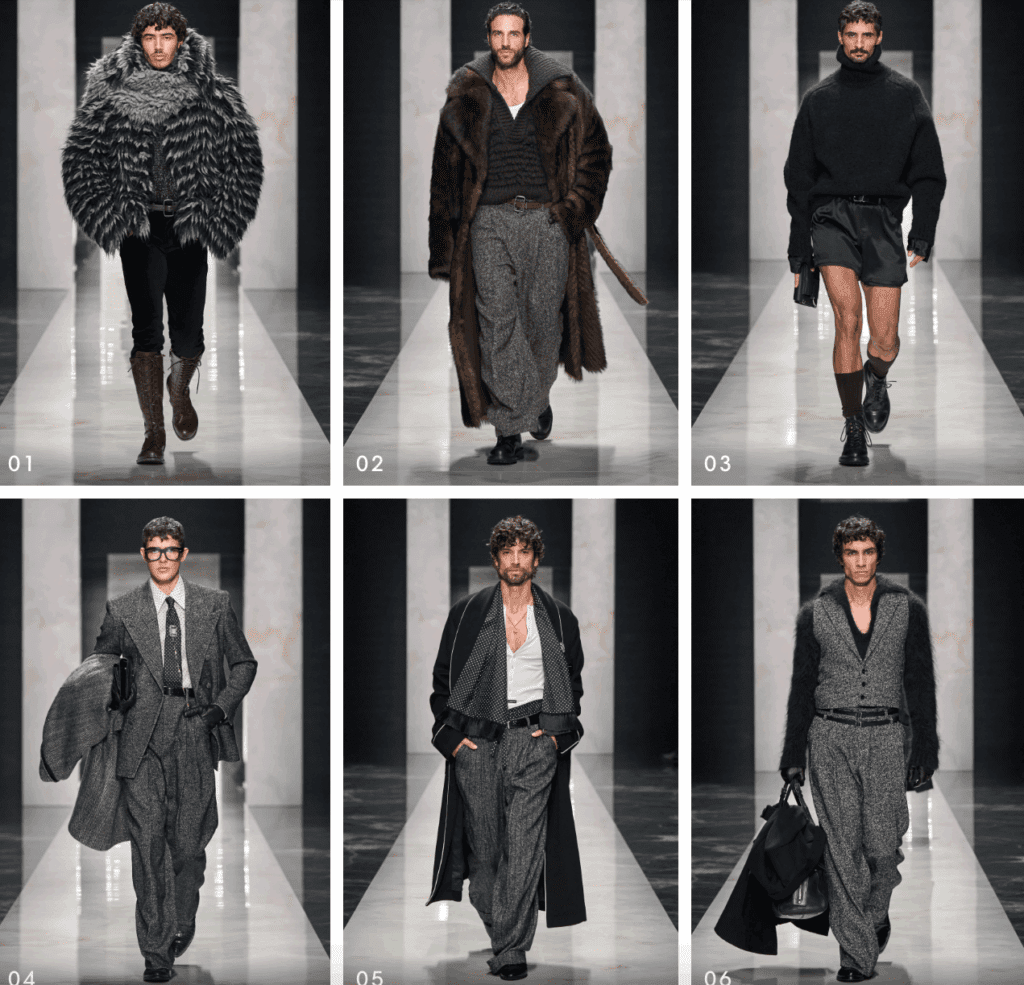
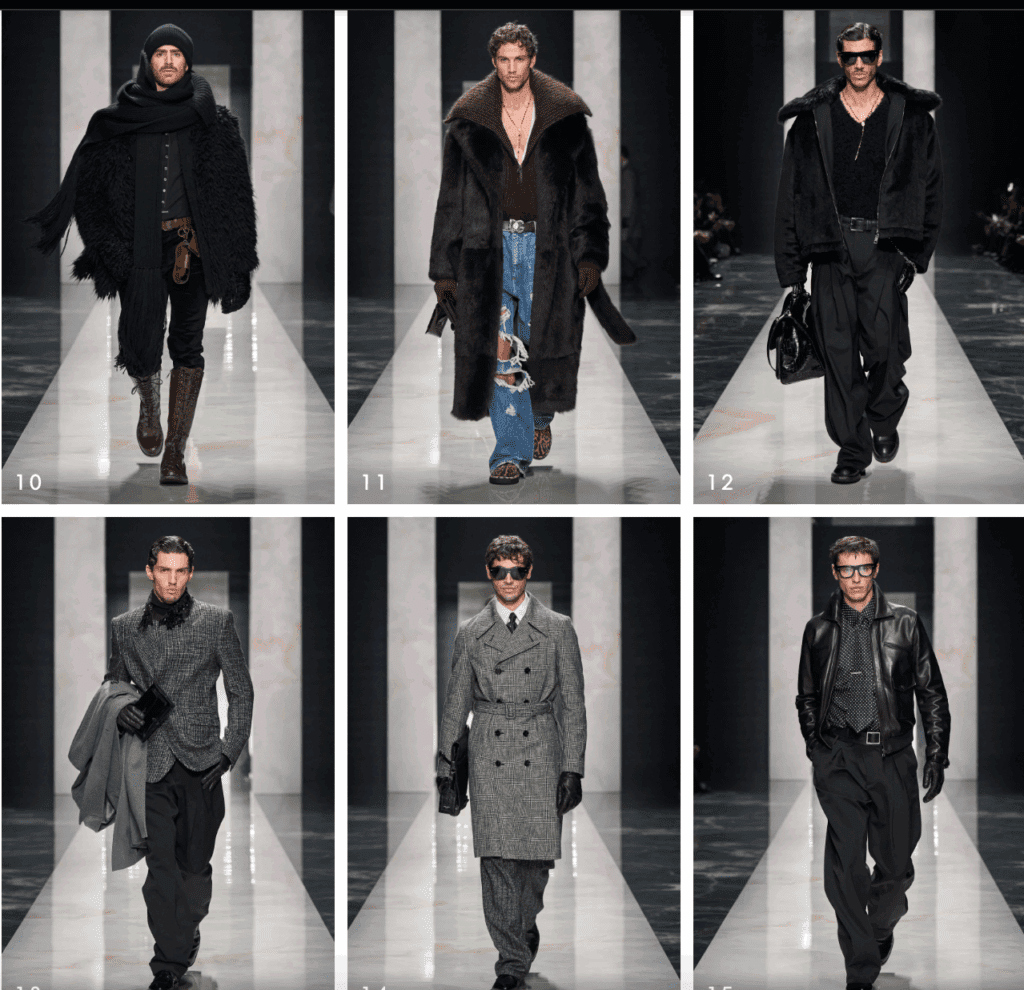
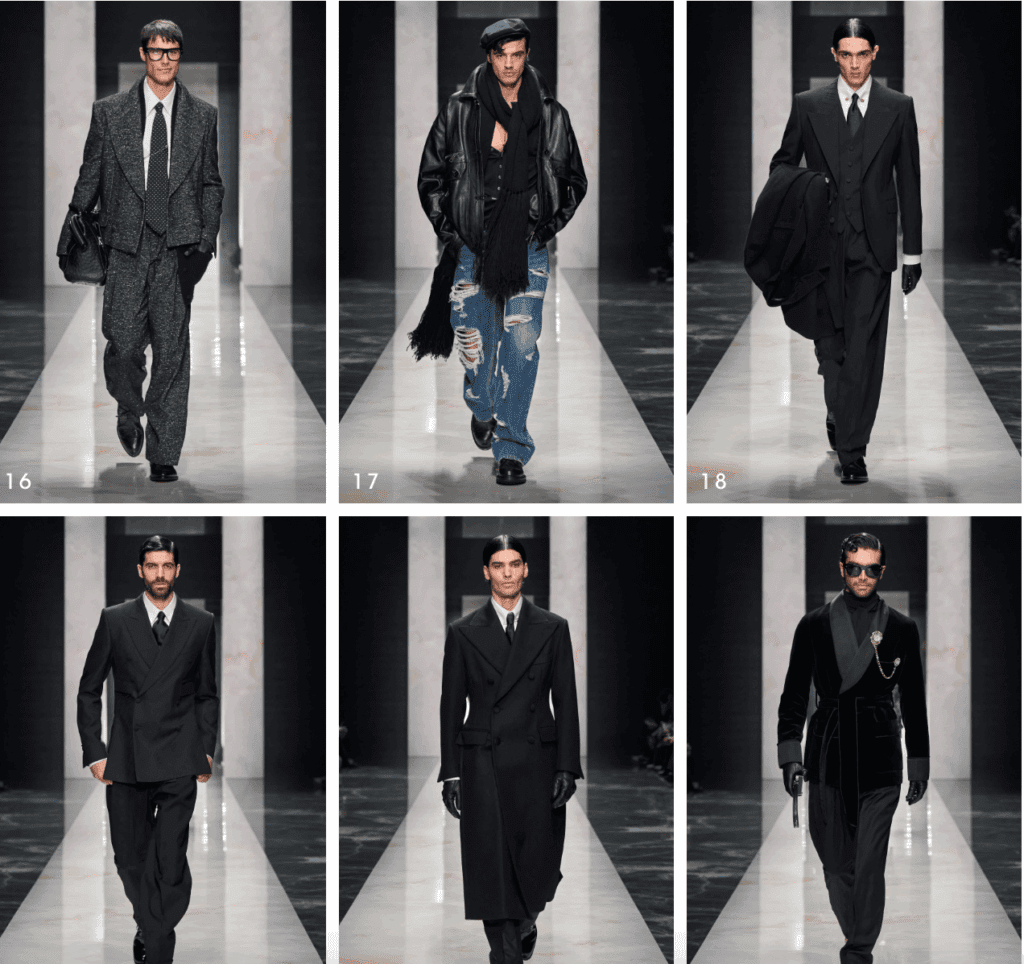
Milan — Dolce & Gabbana’s Fall/Winter 2026 menswear show came and went at Milan Fashion Week with the kind of polish and pageantry the Italian house is known for. What it did not come with was diversity. The runway was striking not for what it presented, but for what it erased: every single model appeared to be white. No Black models. No dark-skinned models. No Asian models. No visible racial diversity whatsoever.
In 2026, that absence is not neutral. It is political.
D.M. Fashion Book is calling out Dolce & Gabbana not to provoke outrage for outrage’s sake, but because this moment speaks to a larger, systemic problem in fashion: racism disguised as “aesthetic,” exclusion justified as “vision,” and silence rewarded as professionalism.
“Our mission has always been rooted in diversity, representation, and cultural change,” says Donovan , CEO and Head of Editorial of D.M. Fashion Book. “I have a platform, and I will use my voice to fight for diversity in fashion. In 2026, the industry still lacks accountability. When luxury houses put 50 or 60 looks on a runway and include little to no models of color, that is not coincidence — it’s a racist act, and it needs to be named.”
Let’s be clear: this wasn’t an oversight. This was Milan Fashion Week — one of the most influential fashion stages in the world. Casting at this level is deliberate. Every model is chosen, approved, styled, rehearsed, and positioned with intent. An all-white runway in a global fashion capital is not accidental; it is a choice. If a brand wants to call that choice “artistic direction,” it’s free to try. The rest of us know better.
The backlash didn’t start in a boardroom or a press release — it started where accountability increasingly lives: online. Fashion creator Elias Medini (Lyas) sparked conversation after posting a video criticizing Dolce & Gabbana’s casting for the FW26 menswear show. The collection, titled The Portrait of Man, claimed to celebrate “the singular identity of every man.” Yet the runway told a very different story — one where “every man” looked eerily the same.
Stylist and editor Gabriella Karefa-Johnson put it plainly in the comments: “This is what happens when the powers that be continue to make excuses for a brand that is consistently racist, homophobic, and xenophobic in order to keep accepting their advertiser dollars.”
She continued: “Microaggressions become macroaggressions, and mistakes become modus operandi. There is no bag big enough to align with this brand — their agenda isn’t even hidden anymore.”
Model Bella Hadid echoed that frustration, writing, “Shocked people actually support this company still it’s embarrassing. Models / stylists / casting — the whole damn thing.”
This reaction didn’t come out of nowhere. Dolce & Gabbana has a long, well-documented history of cultural insensitivity and outright racism. The most infamous example remains the 2018 China controversy, when a promotional campaign for a planned Shanghai show depicted a Chinese woman struggling to eat Italian food with chopsticks — a portrayal widely criticized as condescending and racist. Screenshots of alleged private messages from co-founder Stefano Gabbana surfaced shortly after, containing deeply offensive language about China. The brand claimed hacking. The damage was done. The show was canceled, partnerships dissolved, and one of fashion’s most lucrative markets slammed shut.
That same year, Gabbana reportedly commented “She’s so ugly” in Italian under photos of Selena Gomez on Instagram. Time and again, the pattern repeats: offense, denial, minimal consequence, and eventual industry amnesia.
And yet, here we are again.
An all-white runway in 2026 is not nostalgia. It is not heritage. It is not rebellion. It is regression. Fashion loves to posture as progressive — borrowing from Black culture, profiting from global aesthetics, selling “diversity” as a mood board — but when it comes time to reflect that world on the runway, too many luxury houses retreat into whiteness.
Calling this out is not “cancel culture.” It’s accountability. Silence is complicity, and platforms that benefit from fashion’s reach have a responsibility to interrogate its failures.
If Dolce & Gabbana wants to be part of fashion’s future, it cannot continue to exist in its past. And if the industry wants to evolve, it must stop rewarding exclusion with indifference.
Because racism doesn’t always announce itself loudly. Sometimes it walks the runway — uninterrupted, unquestioned, and dressed in luxury.
Photos Credit: Vogue via Isidore Montag / Gorunway.com
