Paris Fashion Week: Kenzo Fall/Winter 2026 Menswear By Nigo
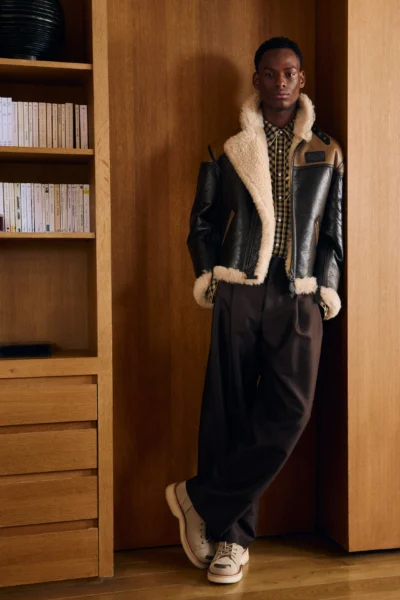
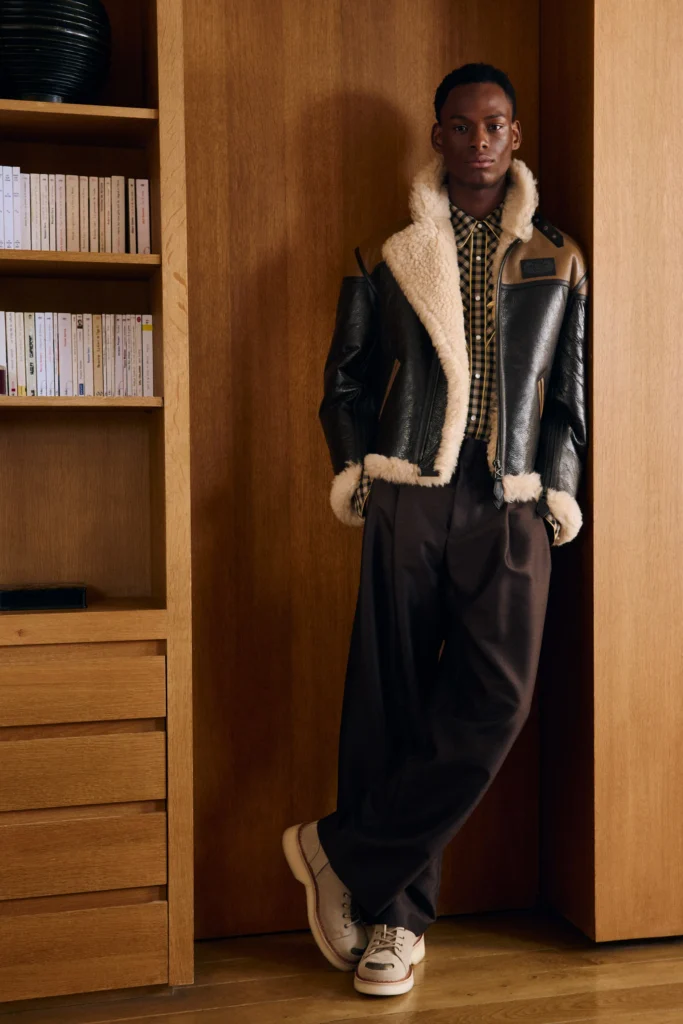
Paris — Kenzo returned not just to Paris for Fall/Winter 2026, but to its emotional and architectural origin. For Nigo, creative director since 2021, this season marked a deliberate homecoming. “We’re going back to the beginning, to the heart of what Kenzo is and always has been,” he said, framing the collection as a personal tribute to founder Kenzo Takada. Rooted in color, freedom, and joy, Fall 2026 was conceived as both an homage and a reset.
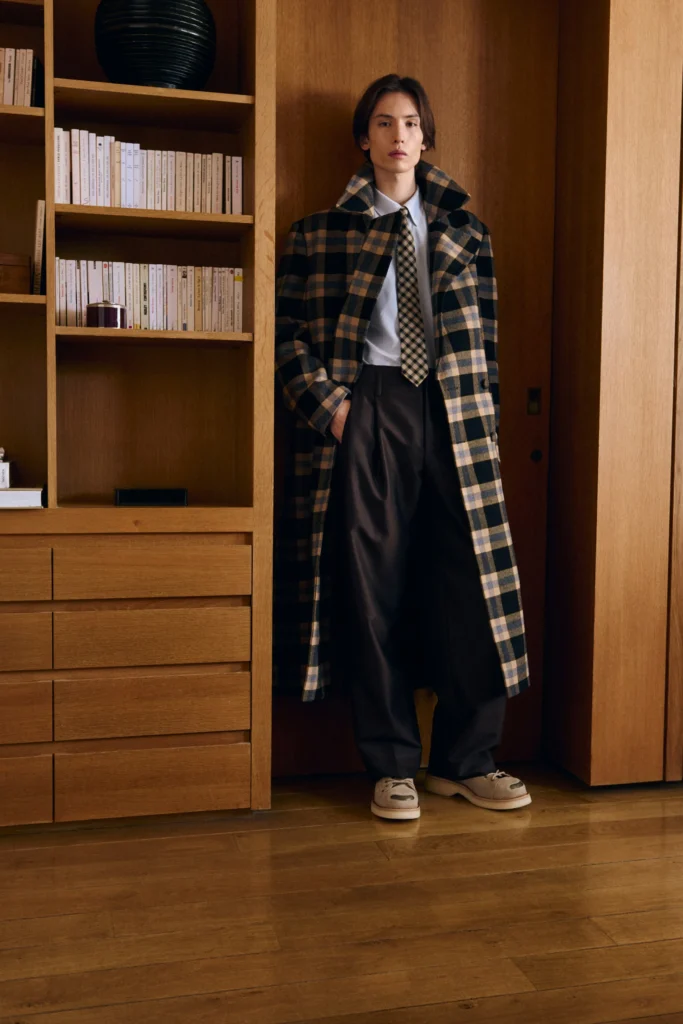
That sentiment was made tangible through the choice of venue: Kenzo Takada’s former Bastille residence, where he lived from 1993 until 2009. The modernist house—complete with a koi pond and sprawling across nearly 10,000 square feet—was once known as the site of legendary parties. Almost entirely hidden from the street and enclosed within traditional Parisian housing, the space felt intimate, private, and deeply symbolic. It was less a stage and more a memory, reinforcing the collection’s reflective tone.
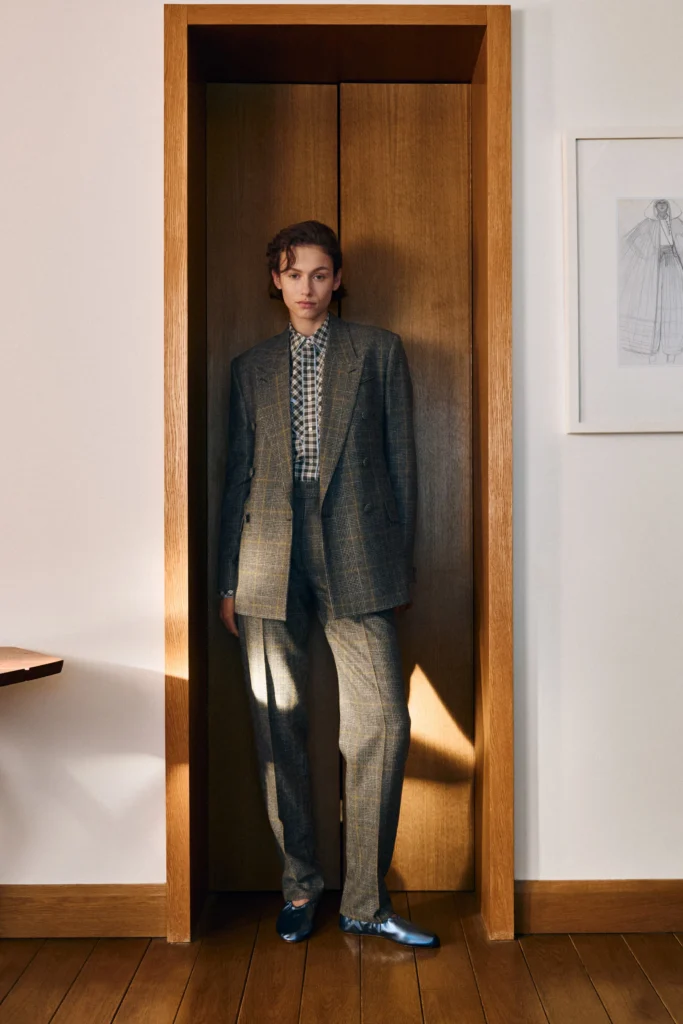
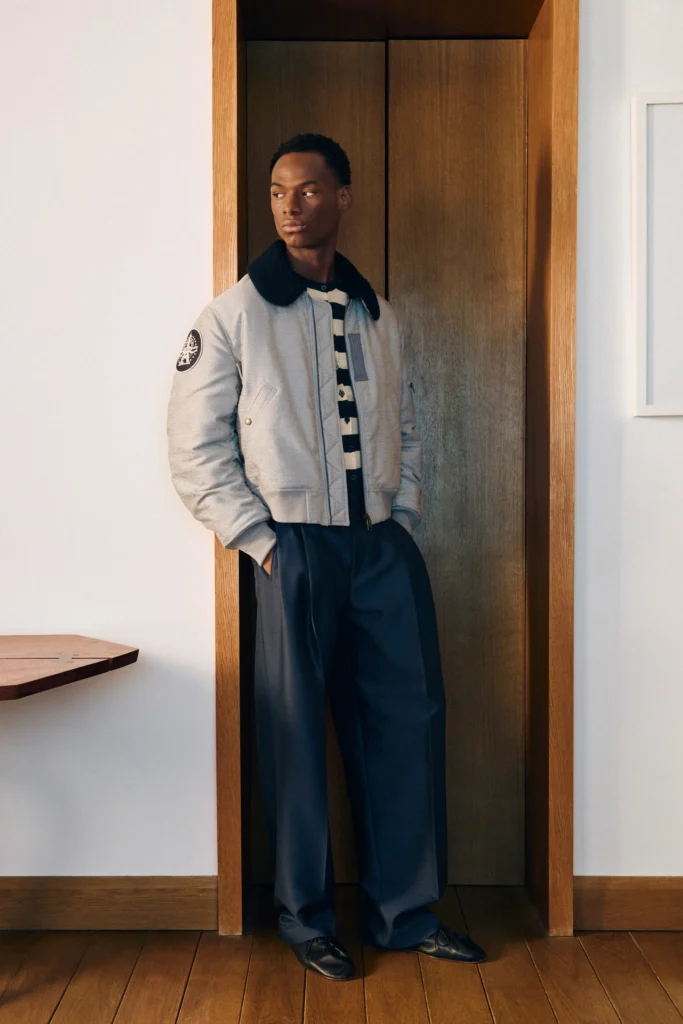
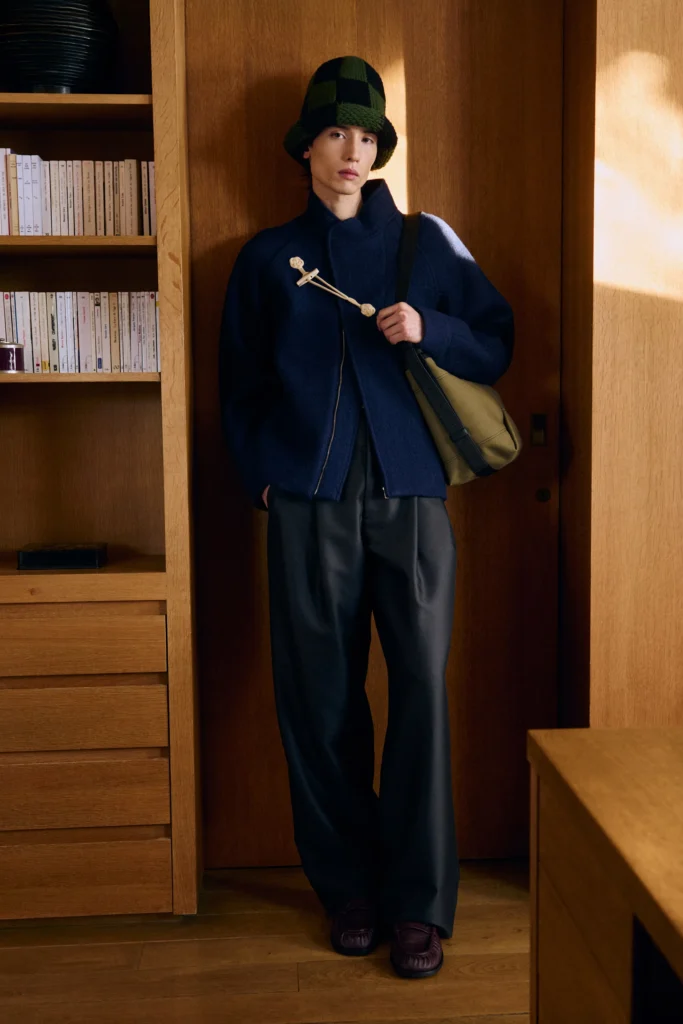
The clothes themselves signaled a notable shift. The presentation, and conversations that followed, confirmed the departure of design director Joshua Bullen, appointed just a year prior. In place of the more youth-driven direction of recent seasons, Nigo steered Kenzo toward a refined, heritage-conscious interpretation of Takada’s legacy—one that leaned into maturity and quiet luxury.
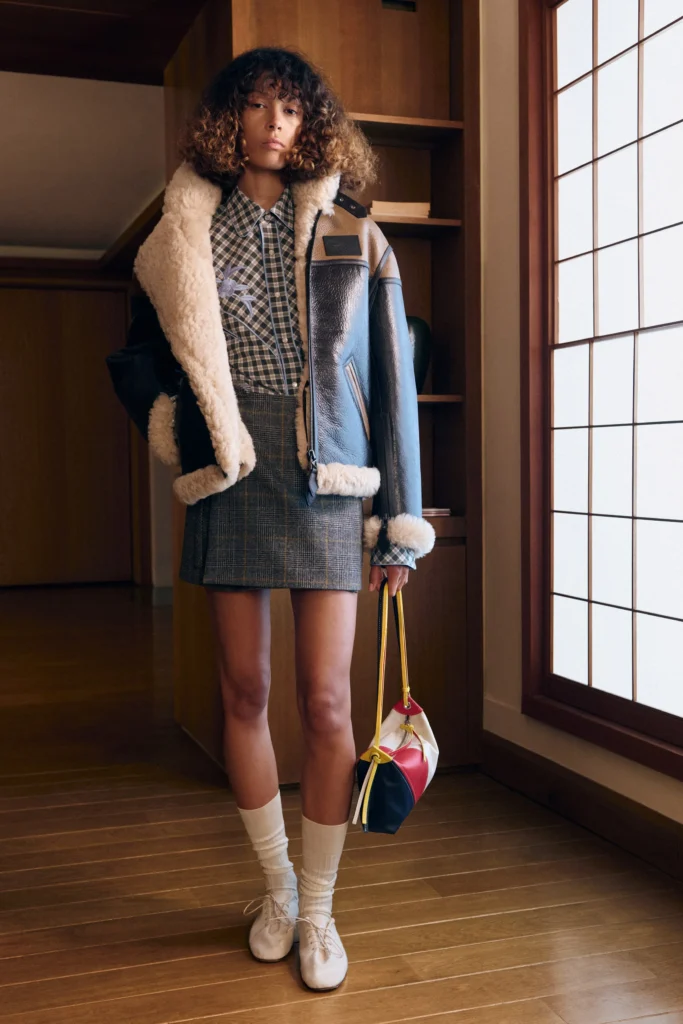
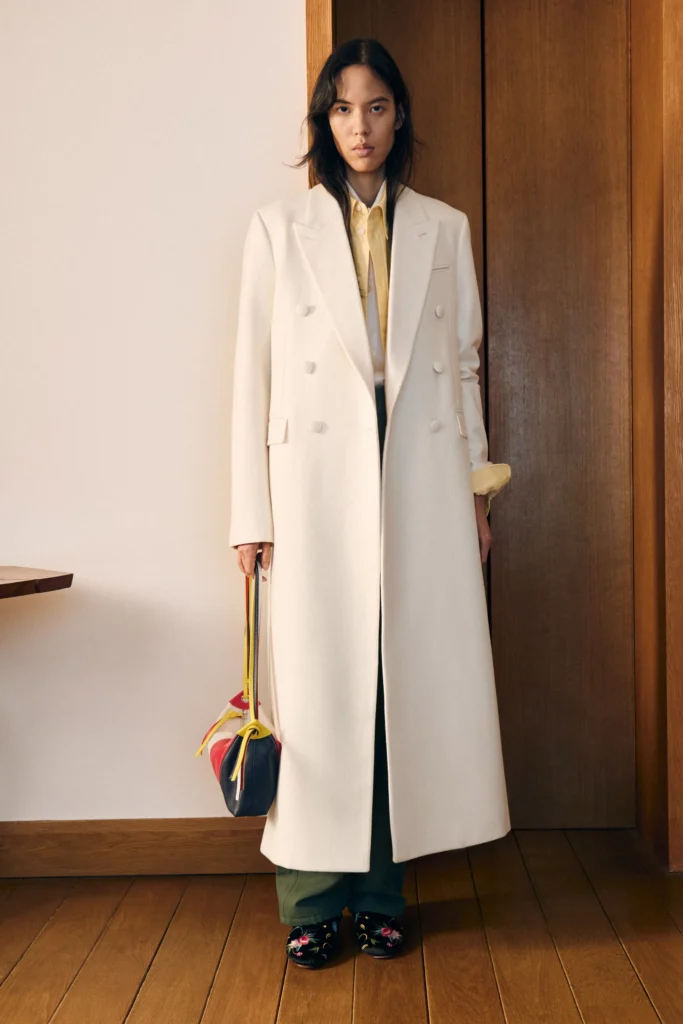
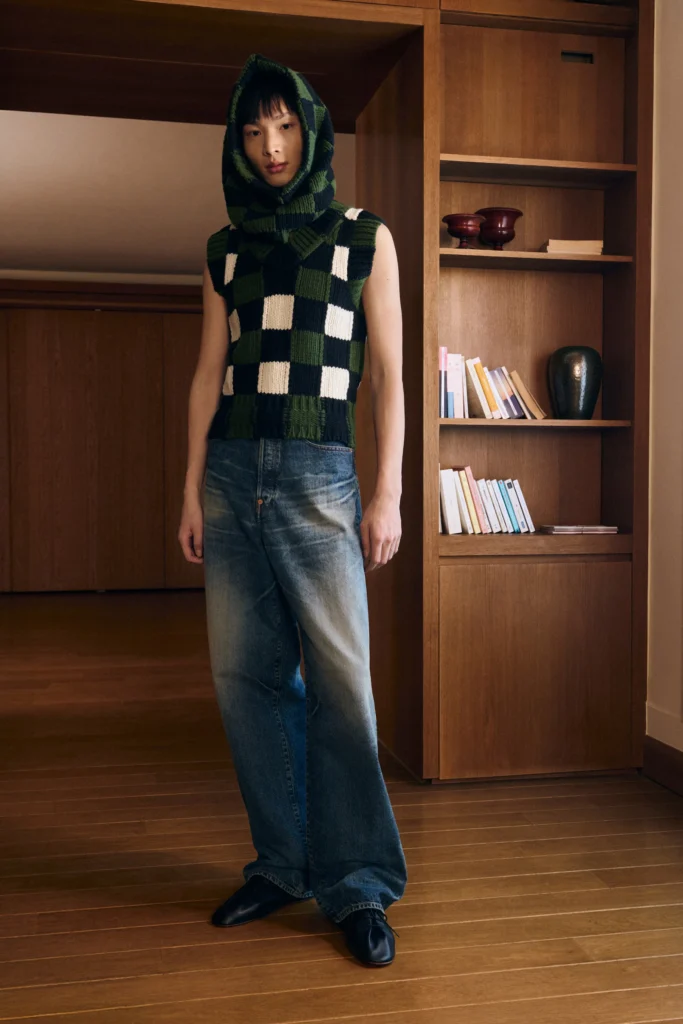
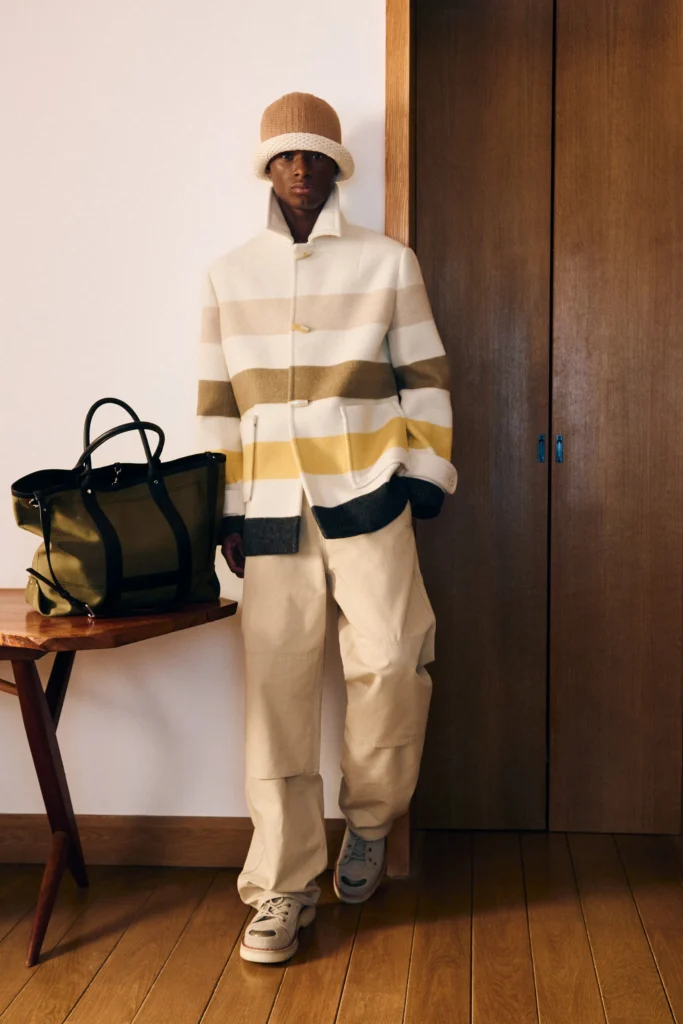
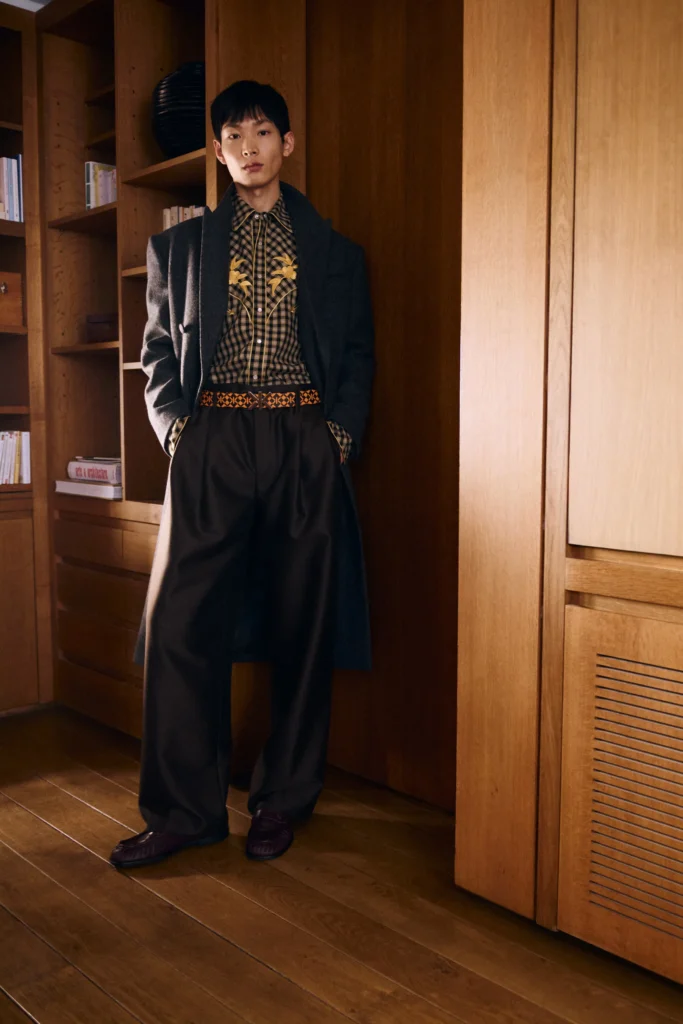
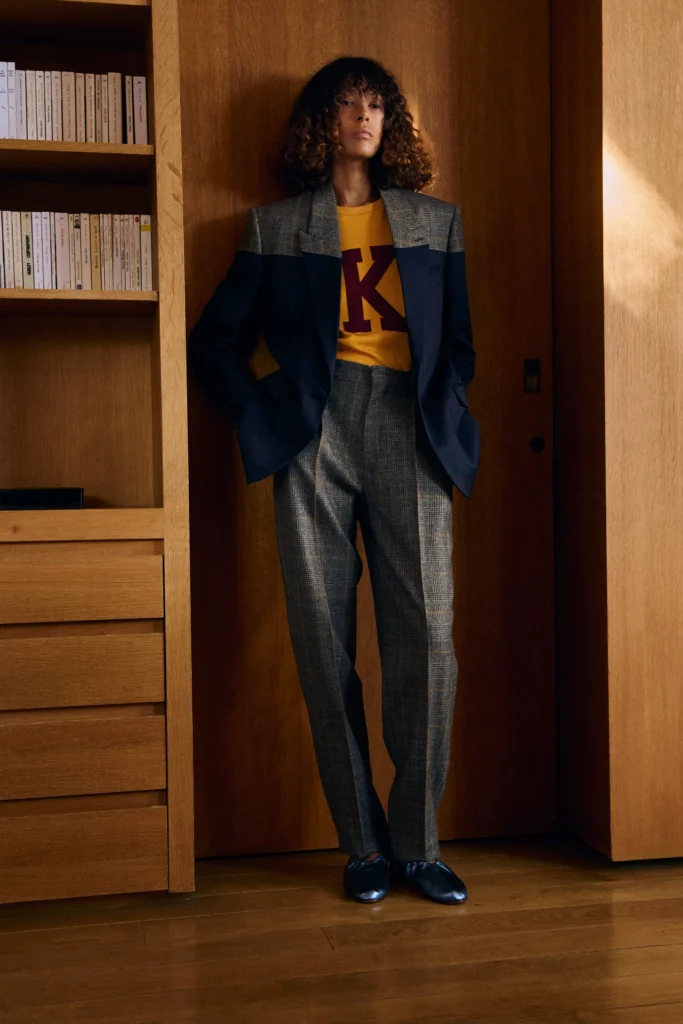
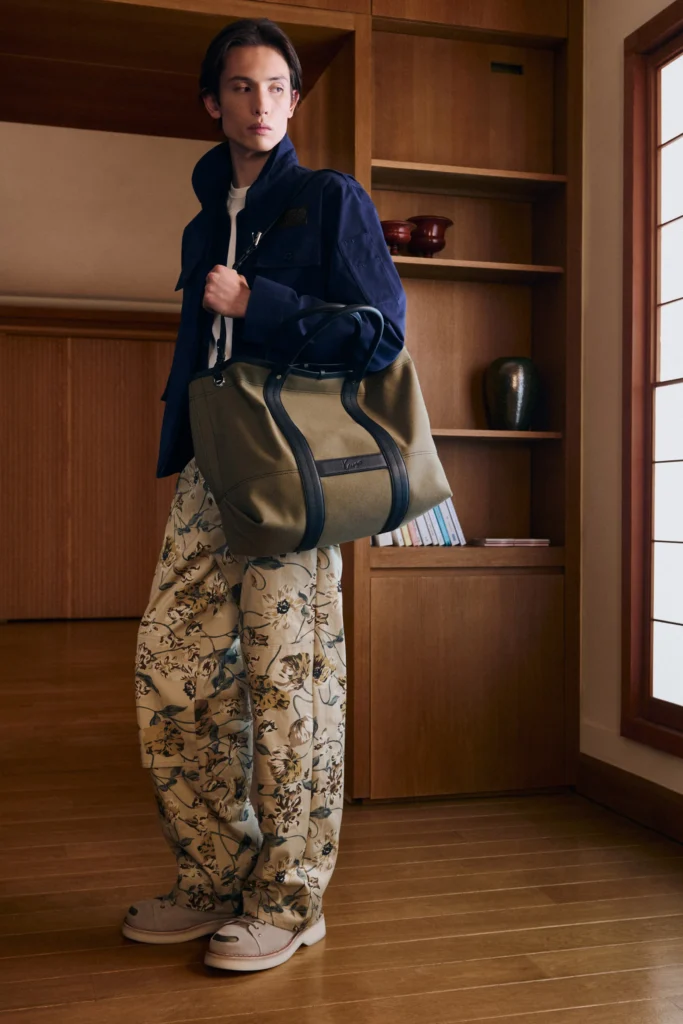
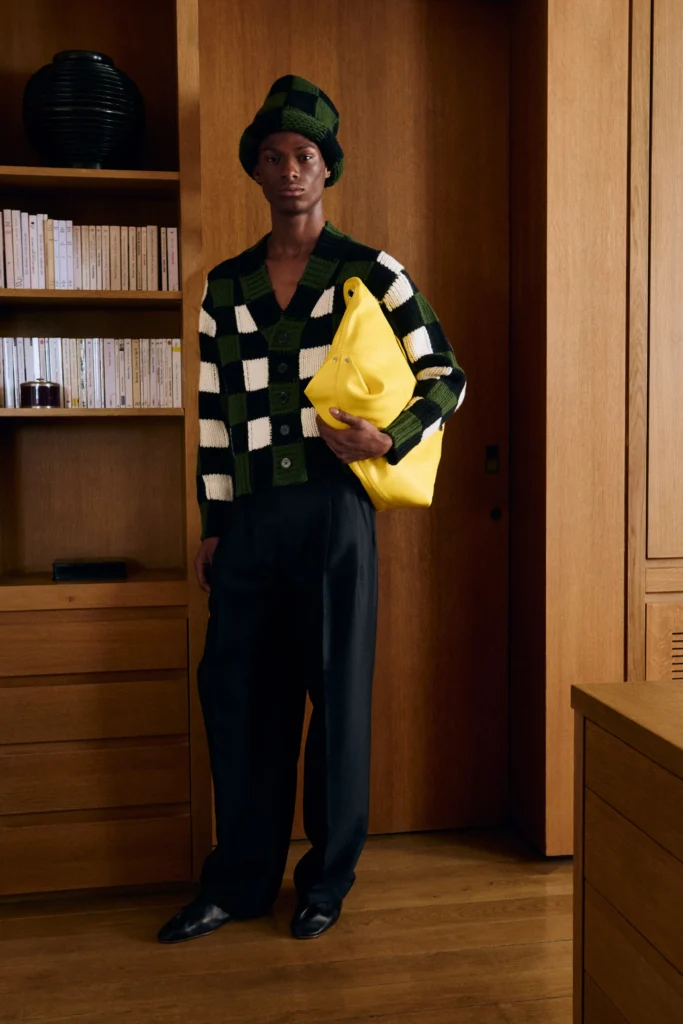
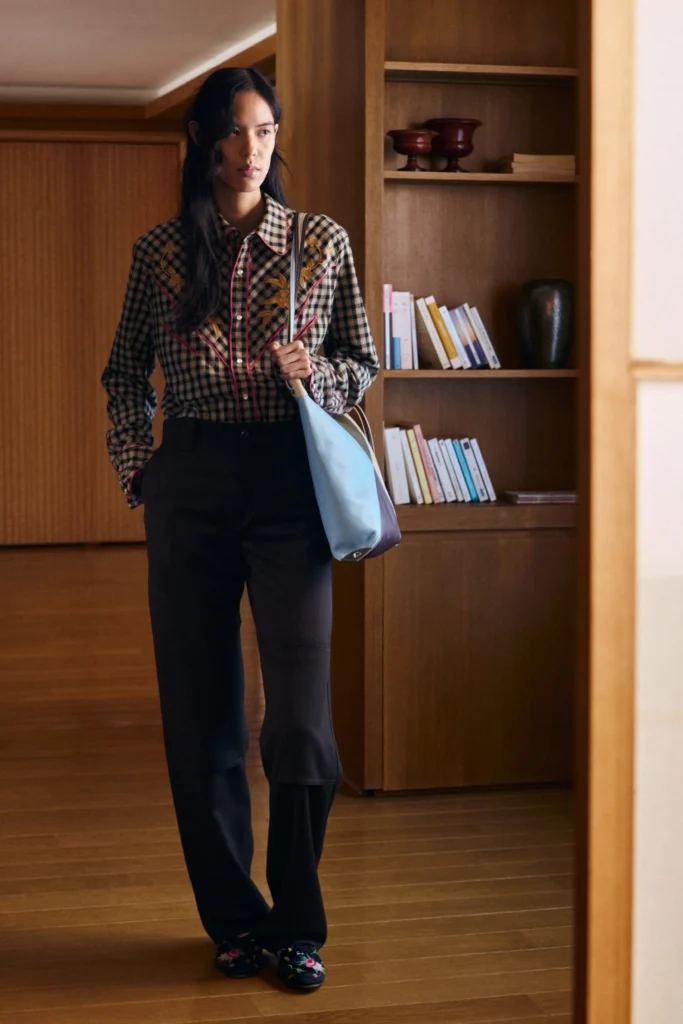
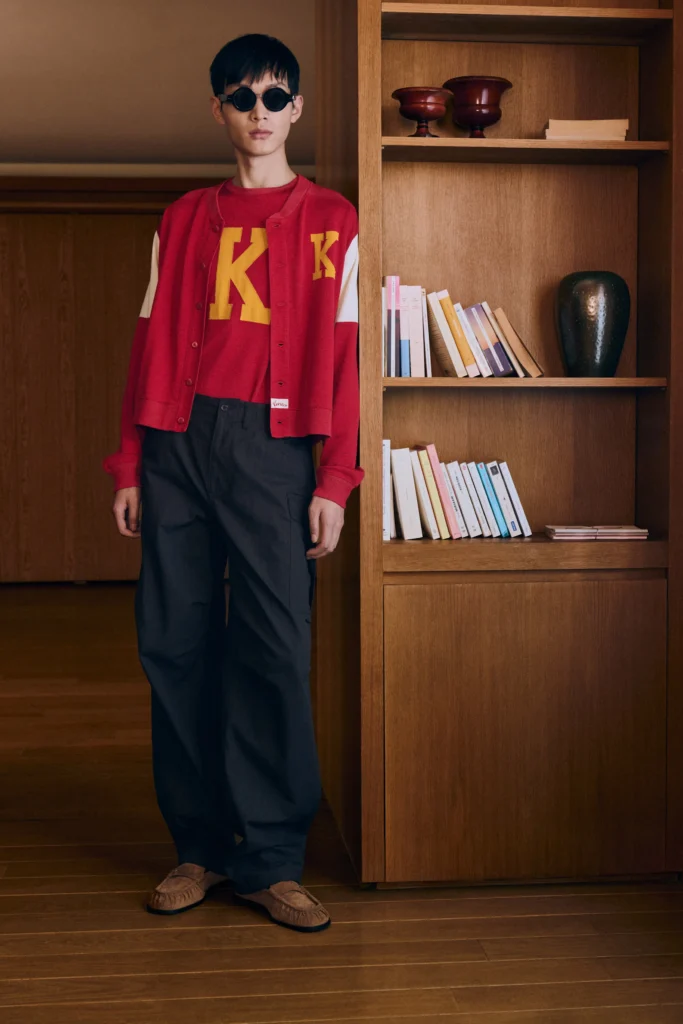
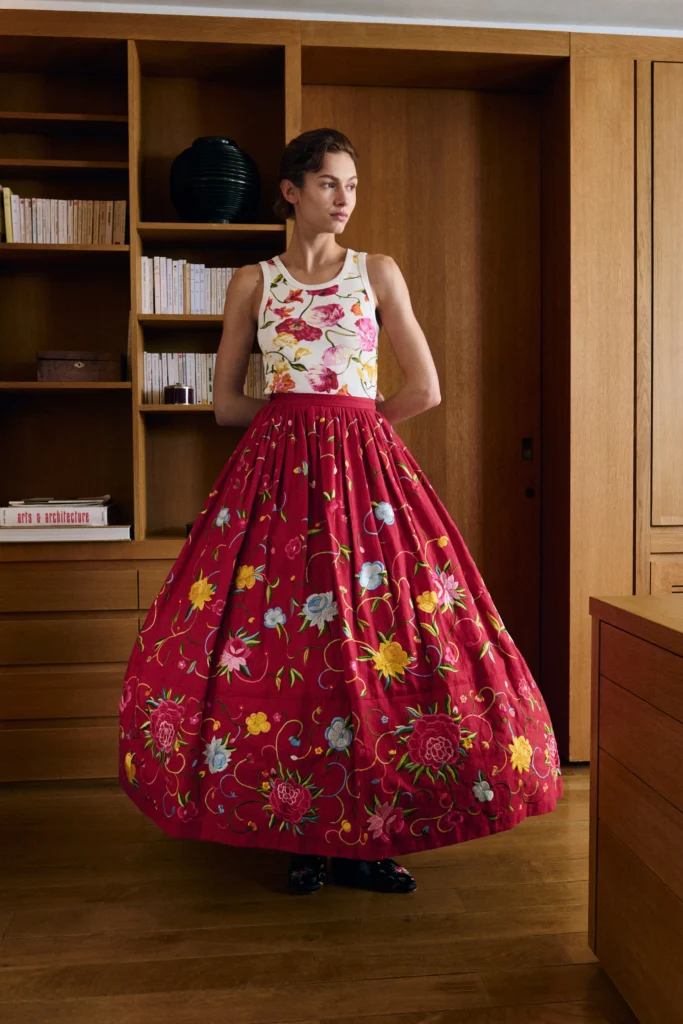
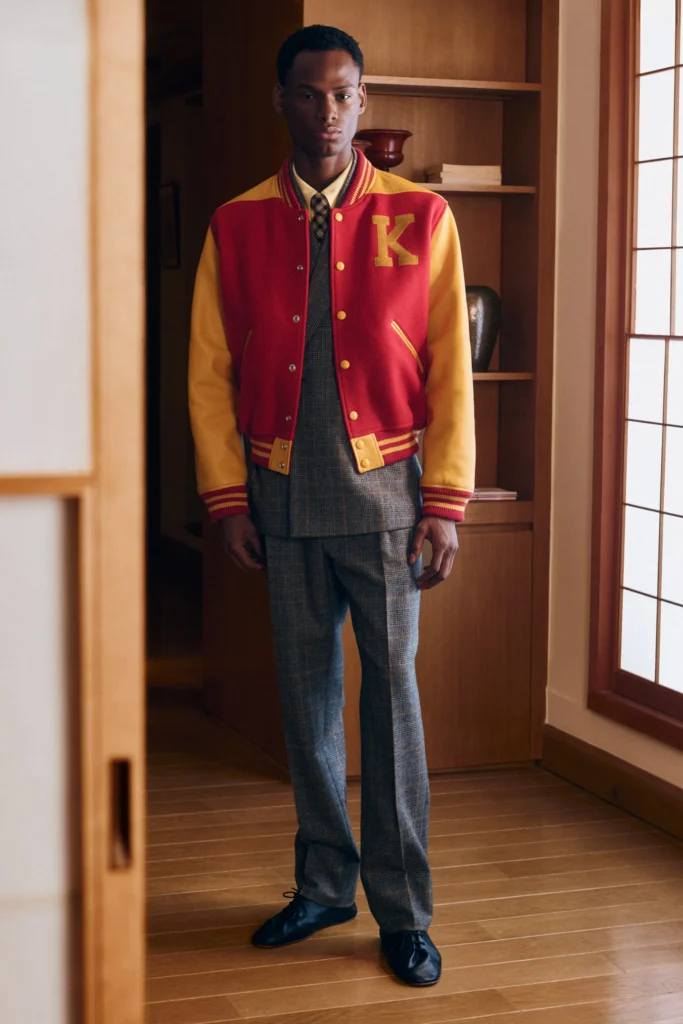
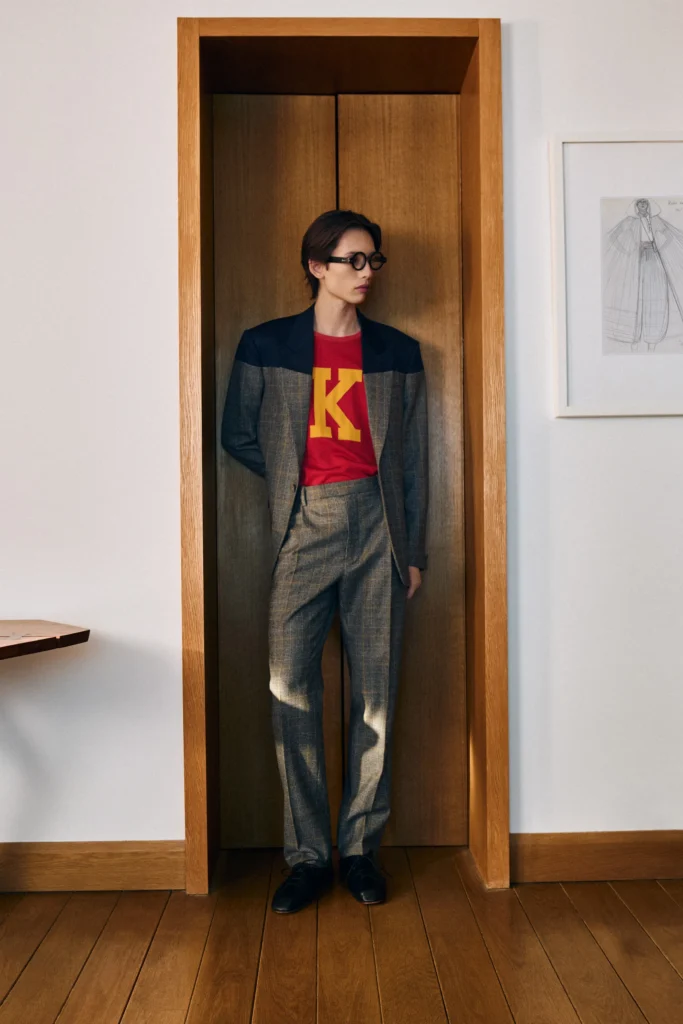
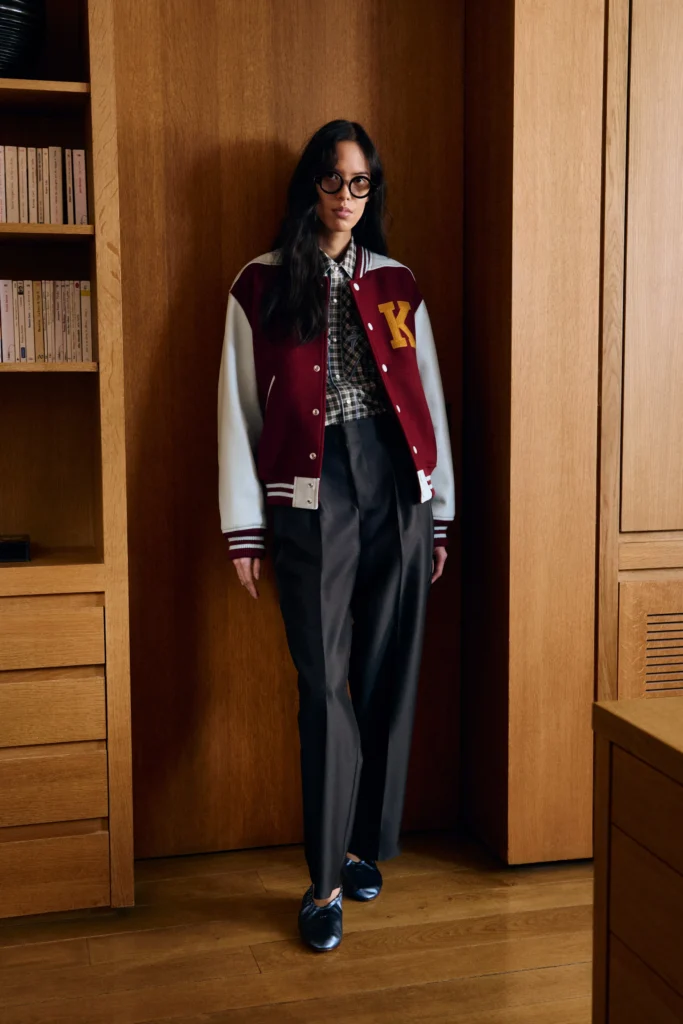
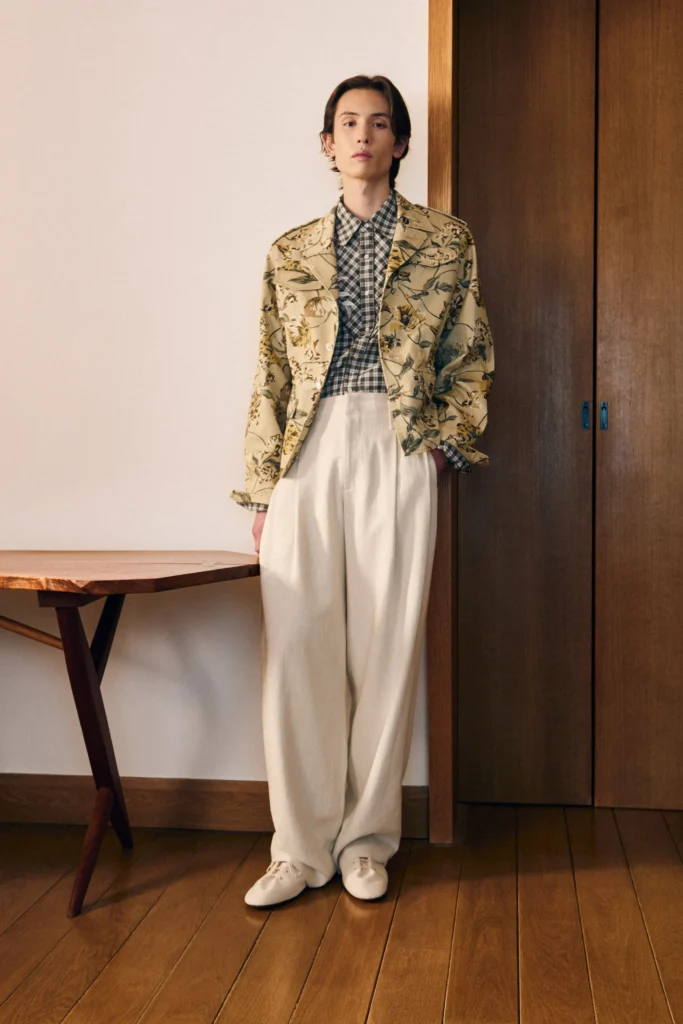
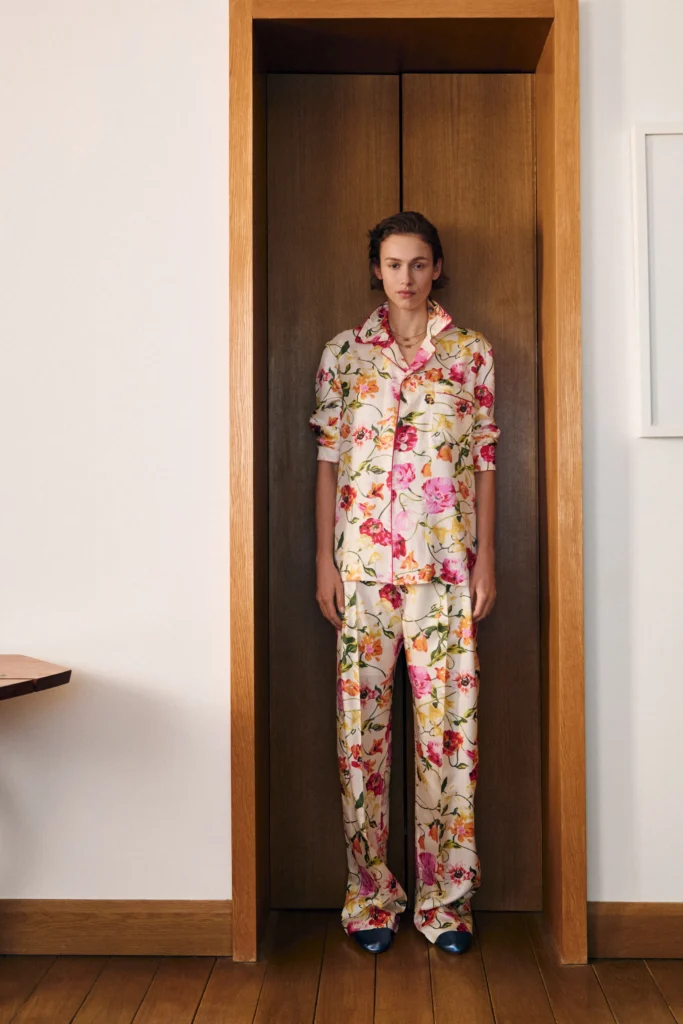
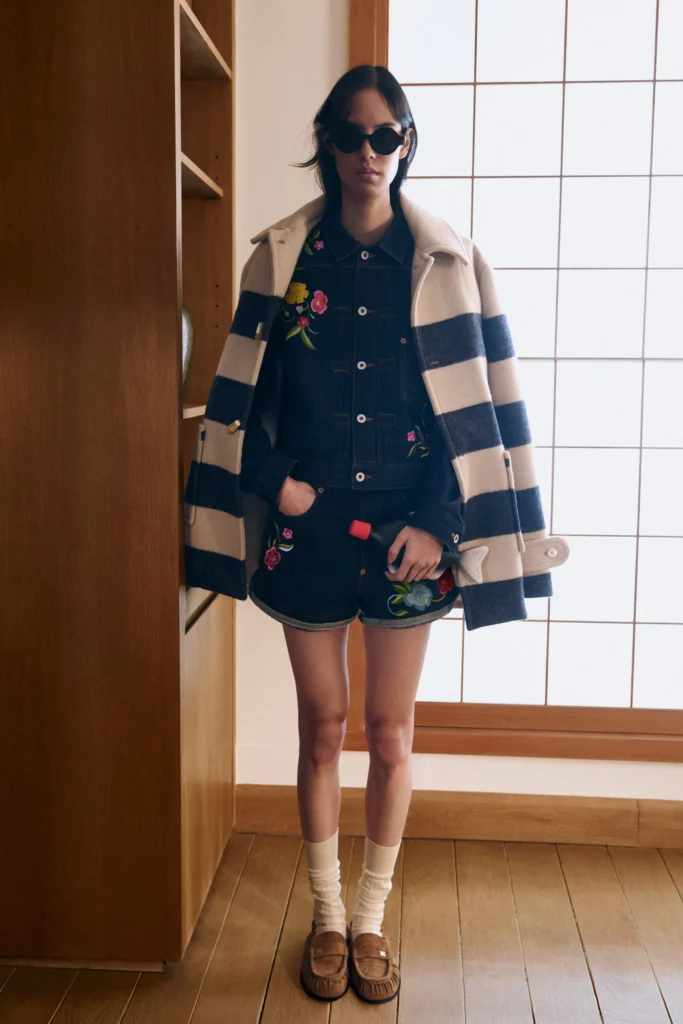
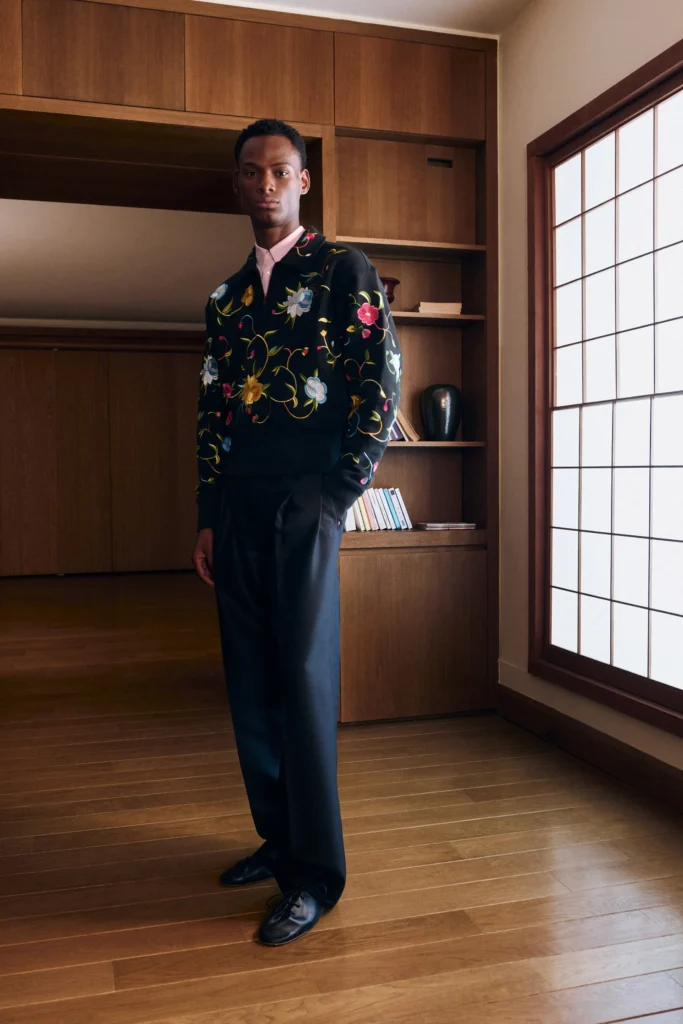
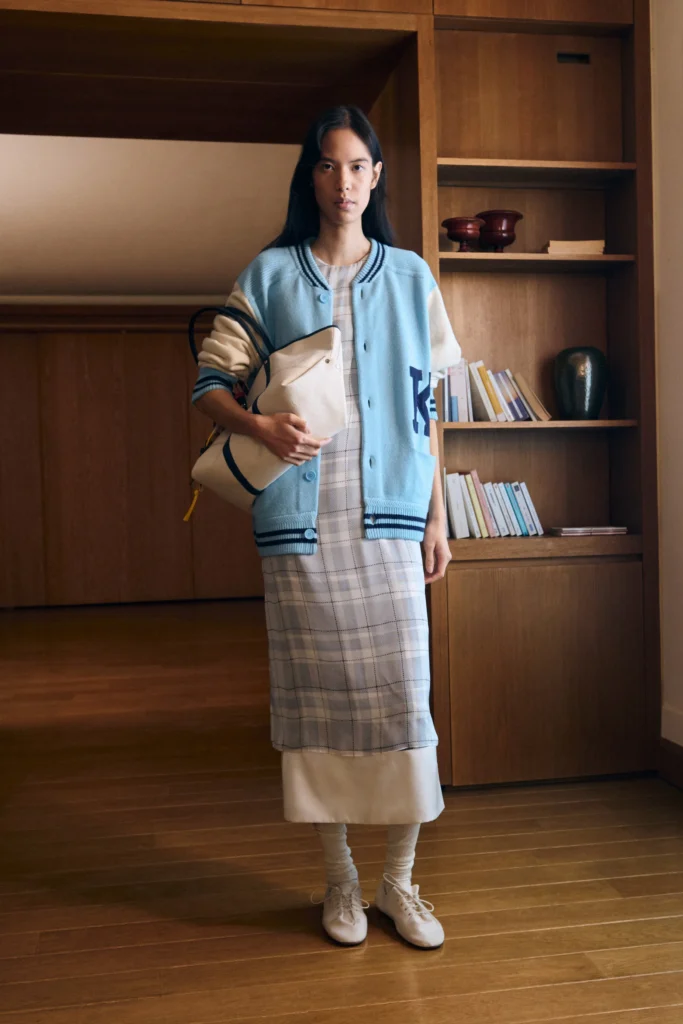
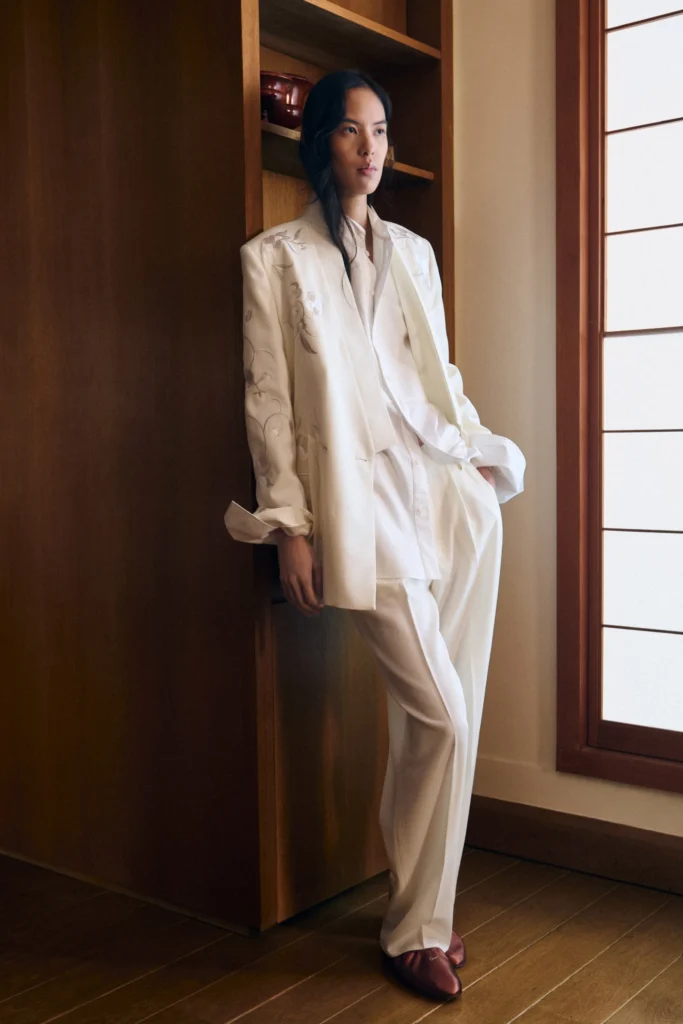
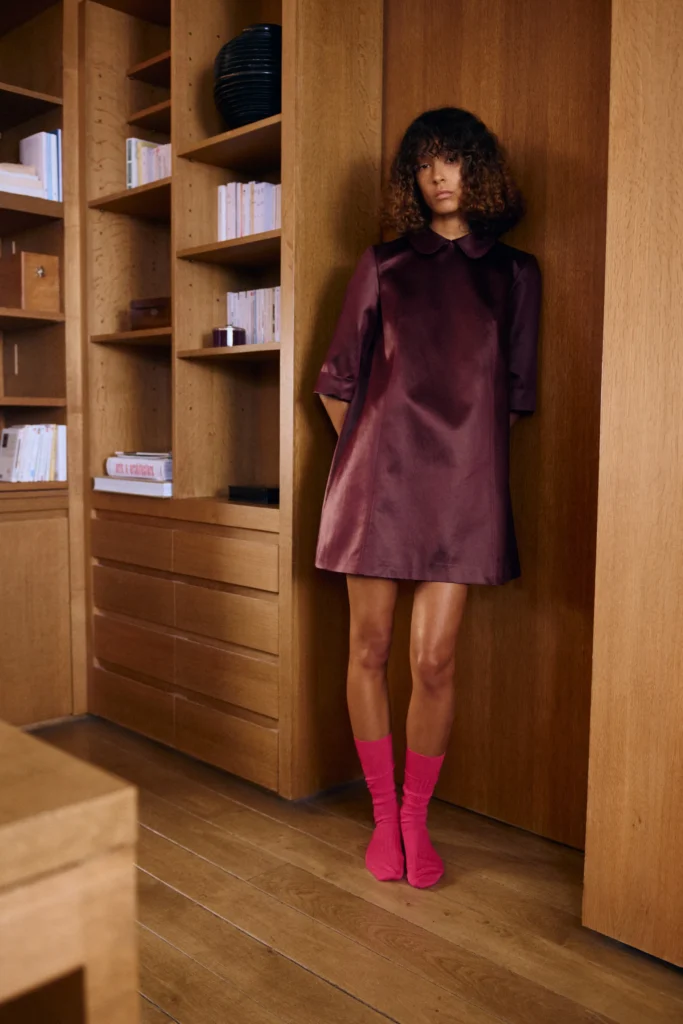
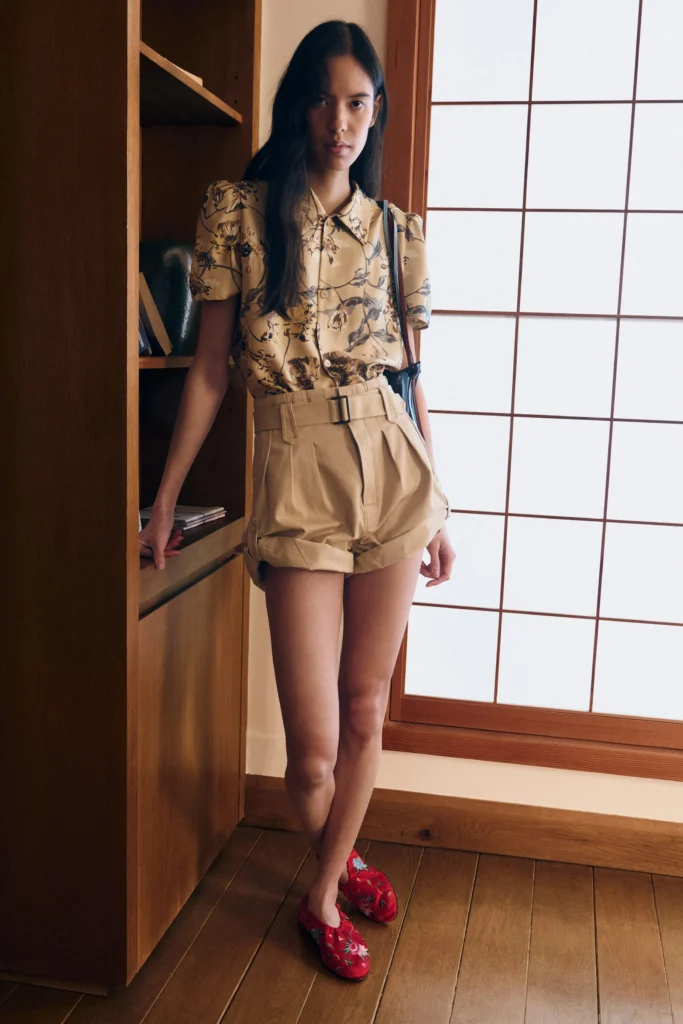
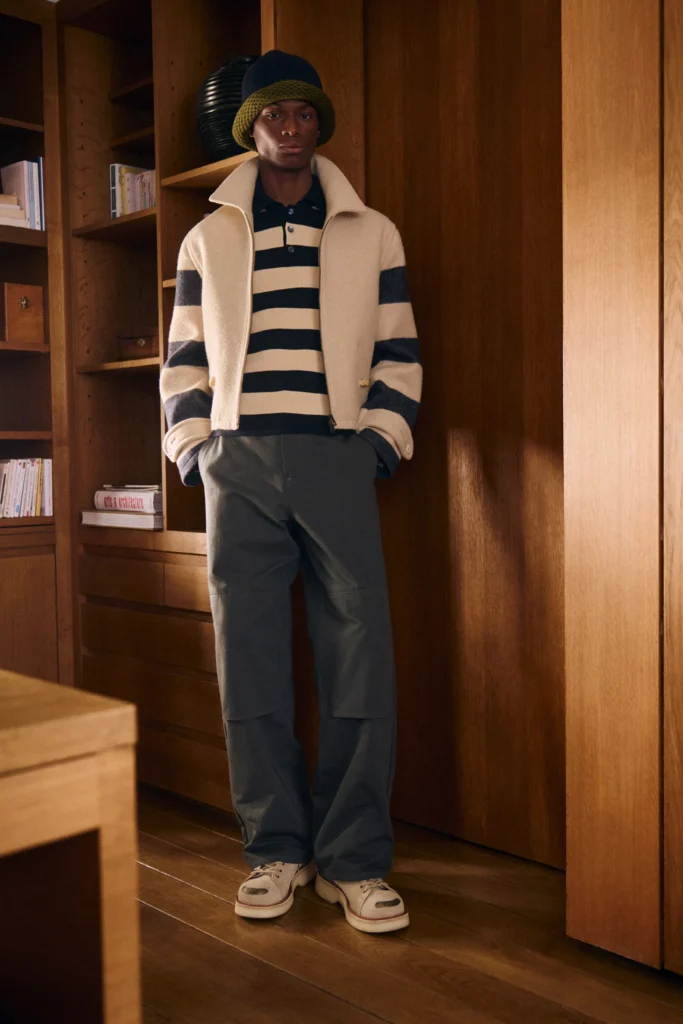
Florals played a central role, most strikingly in embroidered full skirts that bordered on the folkloric and felt directly lifted from the founder’s archives. Elsewhere, Nigo translated Takada’s Japanese tailoring codes into a contemporary wardrobe suited for modern creative professionals. Americana references—varsity jackets, collegiate knits—remained part of the Kenzo vocabulary, but were dialed back and rendered with restraint rather than spectacle.
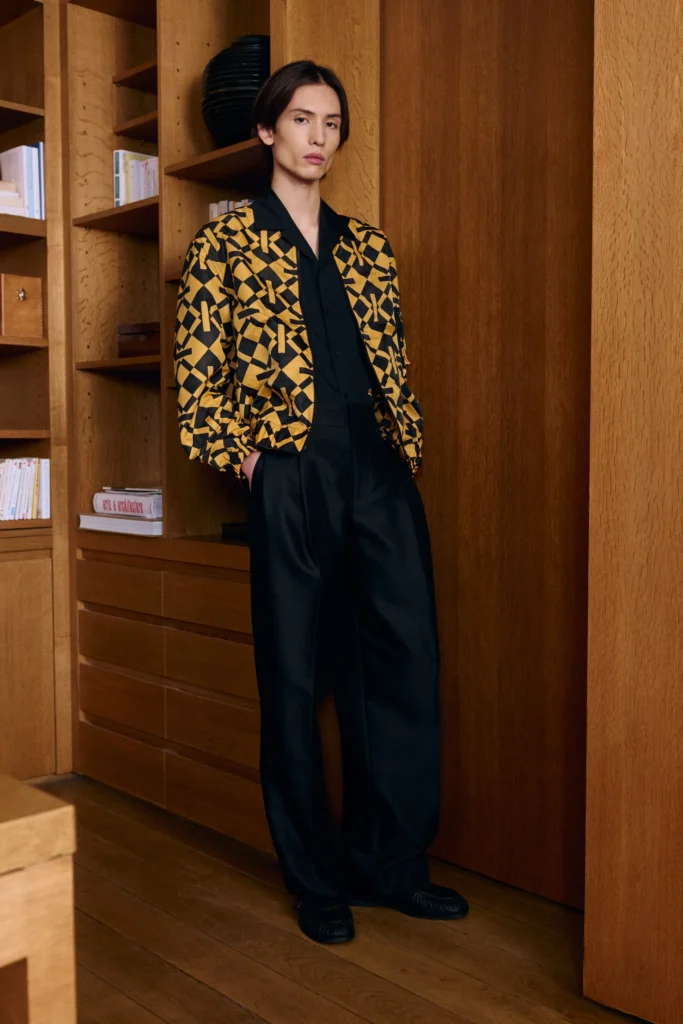
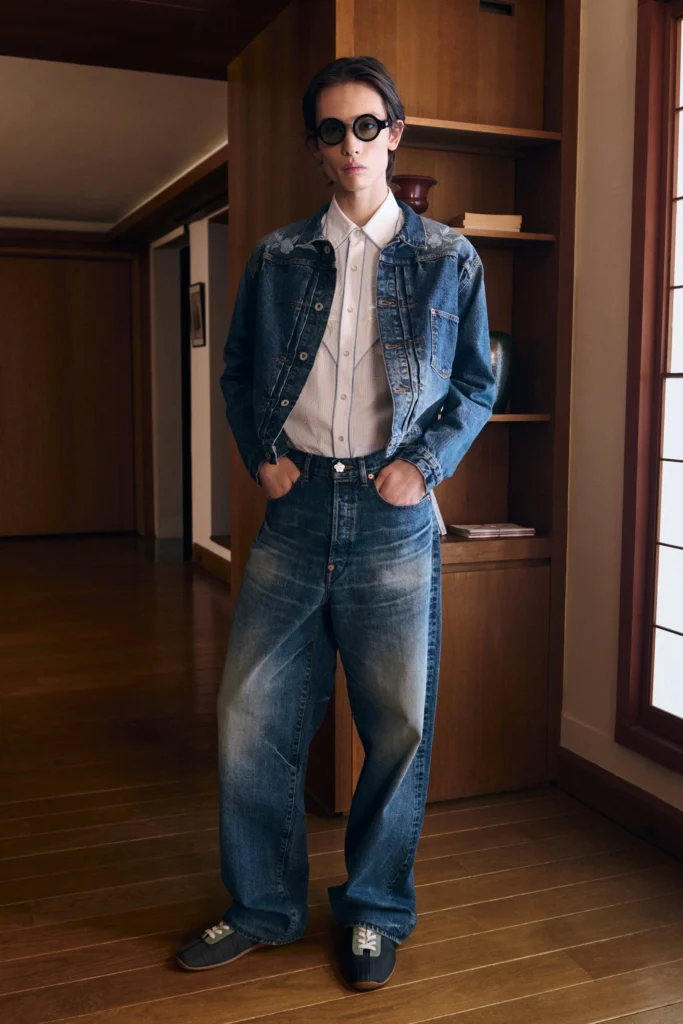
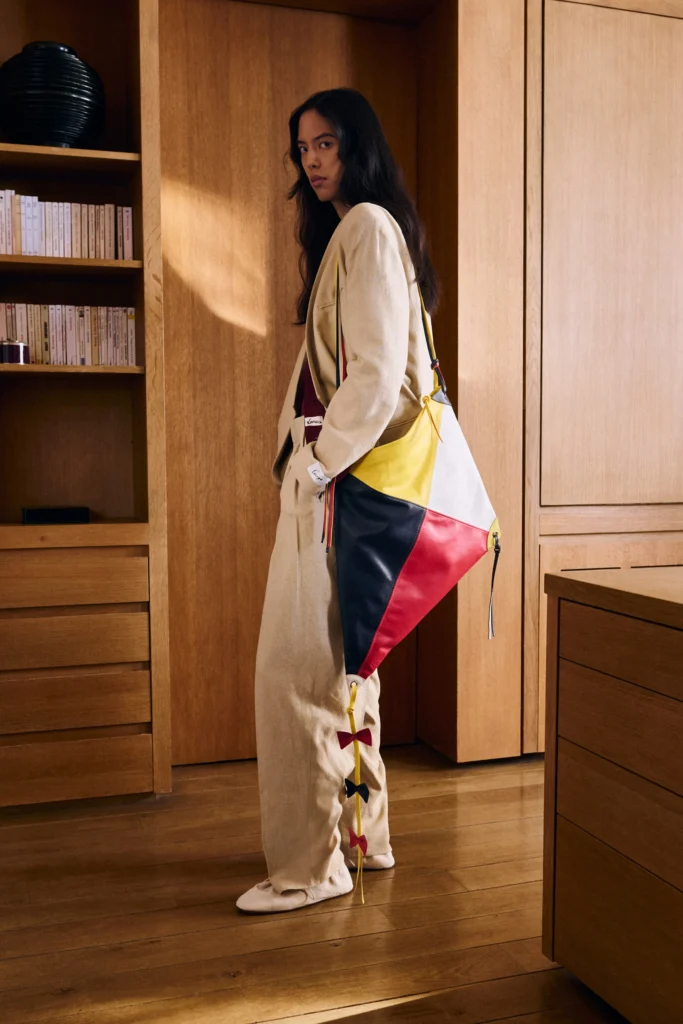
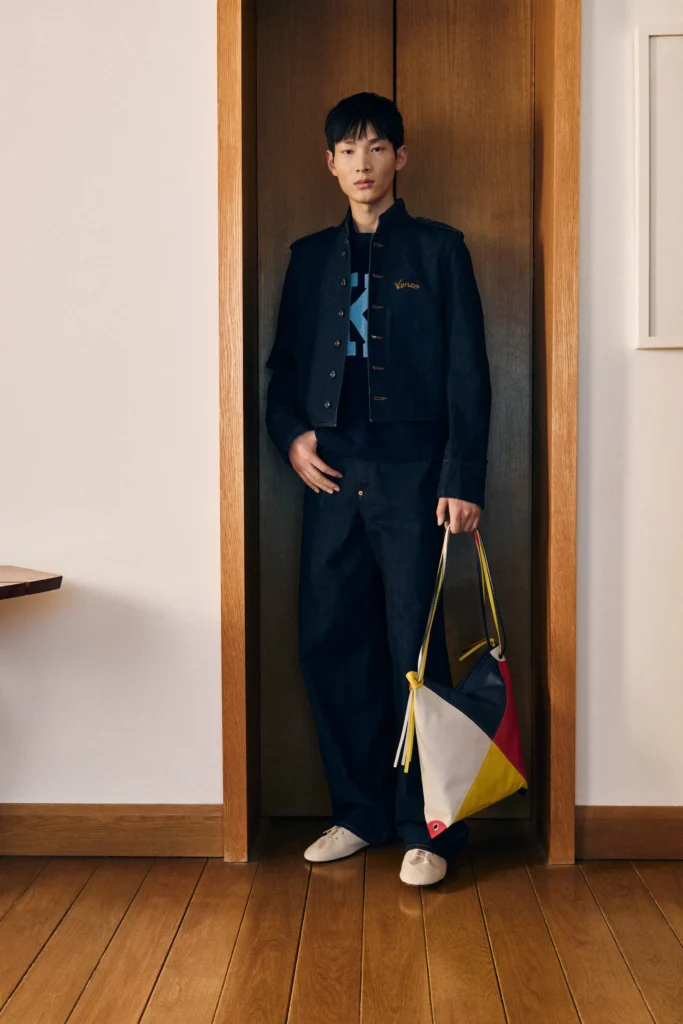
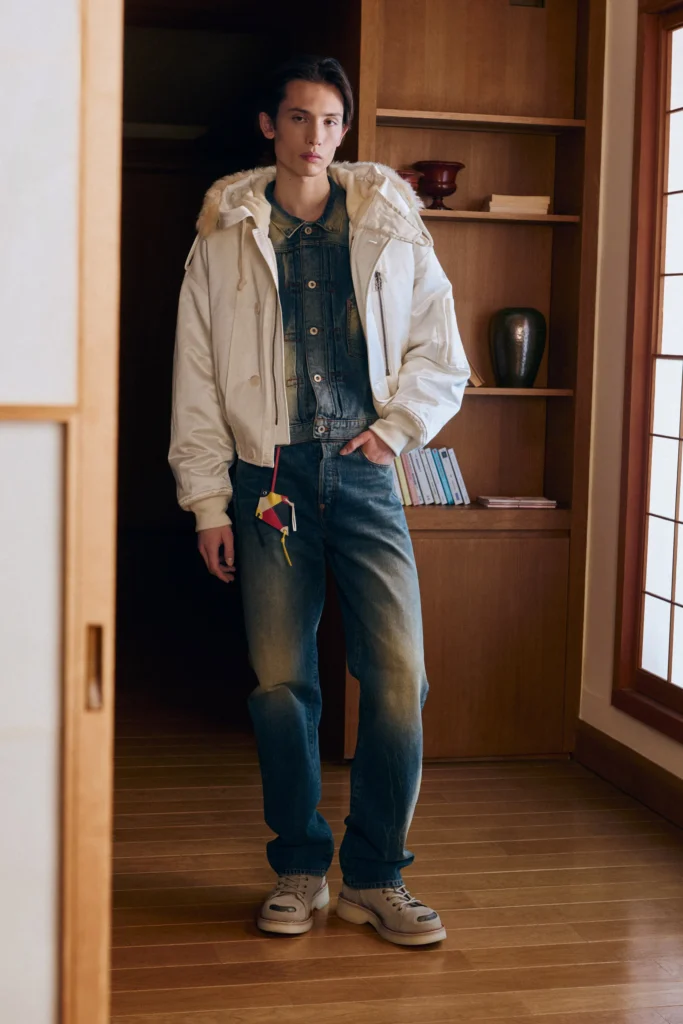
Brand-building also came into focus. A new six-pointed double-K cross monogram appeared on a black-and-yellow jacket and a belt buckle, hinting at a more unified visual language extending beyond clothing. Accessories felt purposeful and nostalgic, particularly a kite-shaped bag that nodded to Takada’s personal history. Bicolor suits offered another archival callback, while denim—long a shared specialty of both Takada and Nigo—was used sparingly, though effectively.
Overall, Fall/Winter 2026 felt like a pause before momentum. Without a traditional runway show and framed by language of renewal, the season read as a measured recalibration rather than a bold declaration. Nigo and the Kenzo executive team appear to be carefully re-renovating the house, laying groundwork for a more assertive future—possibly with heavier use of monogramming and clearer brand codification.
One lingering question remains as Kenzo looks ahead: might the maison be better served on the womenswear schedule? Such a move could more accurately reflect the founder’s beginnings and the spirit of the house he built to international acclaim. For now, Fall/Winter 2026 stands as a thoughtful return home—quiet, considered, and rich with intention.
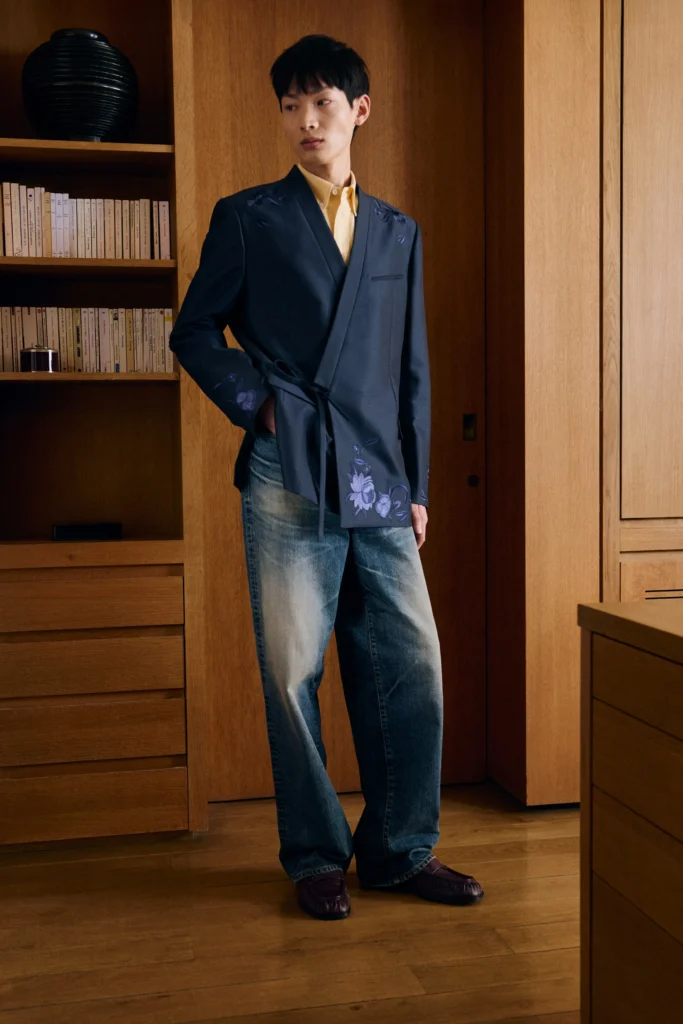
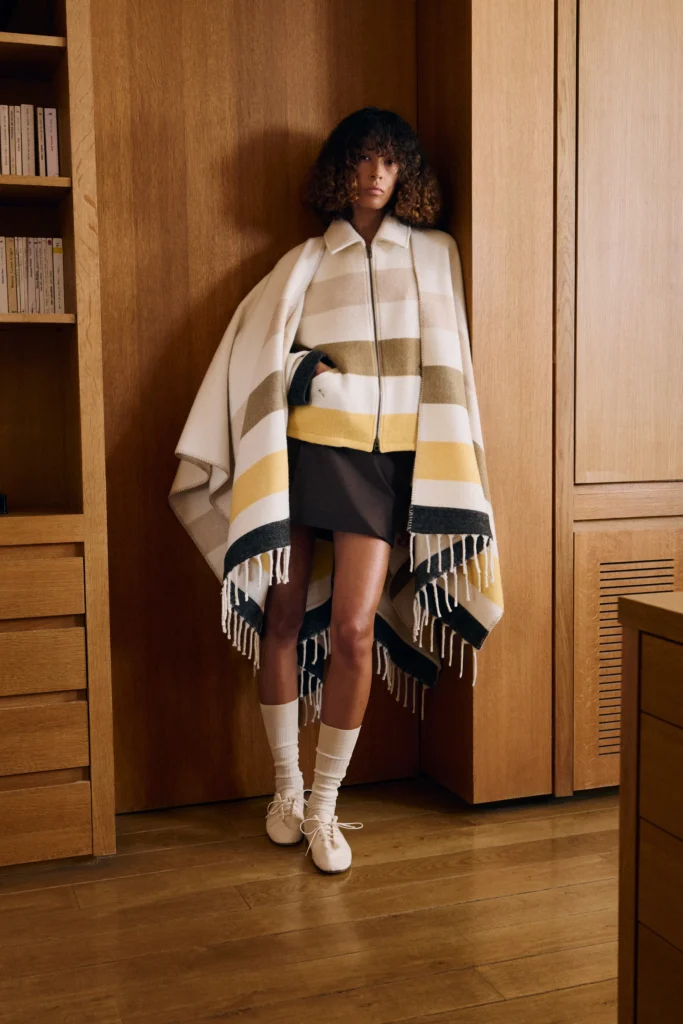
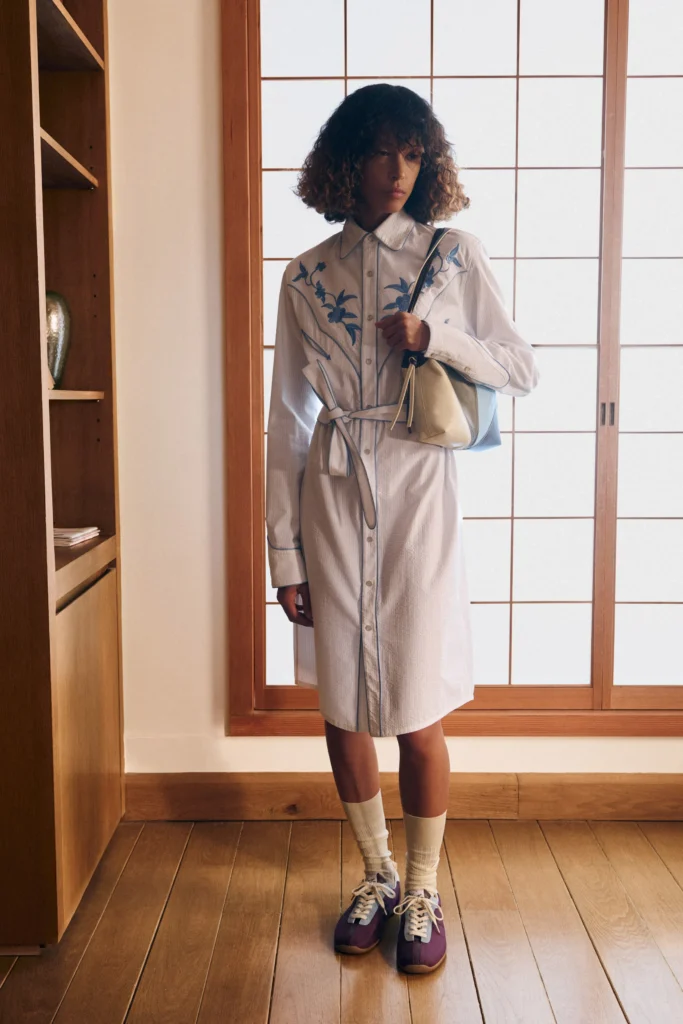
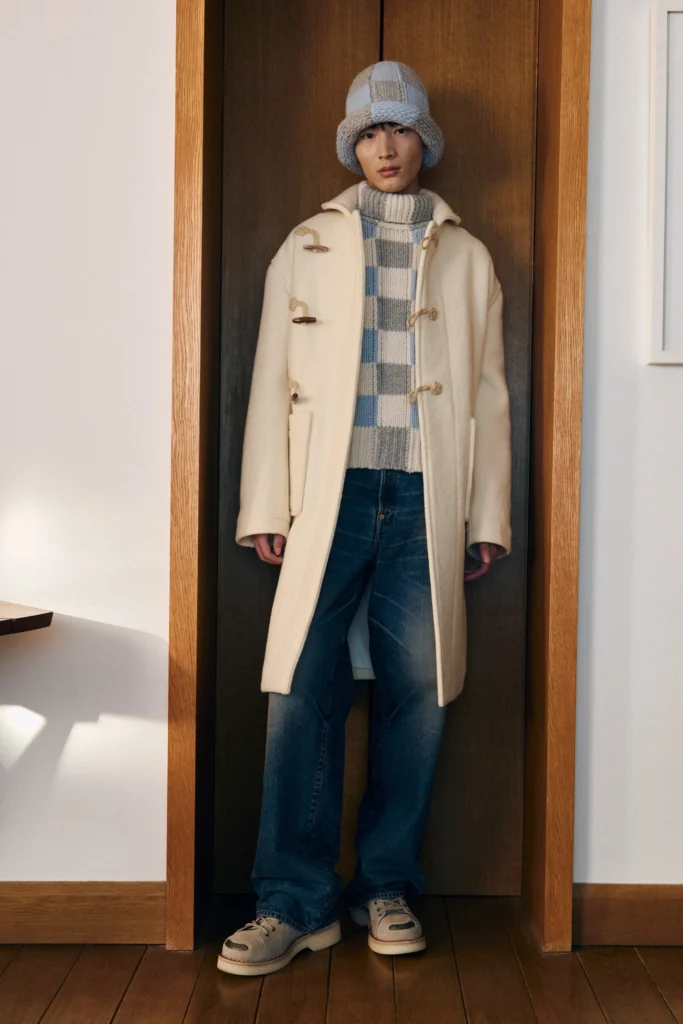
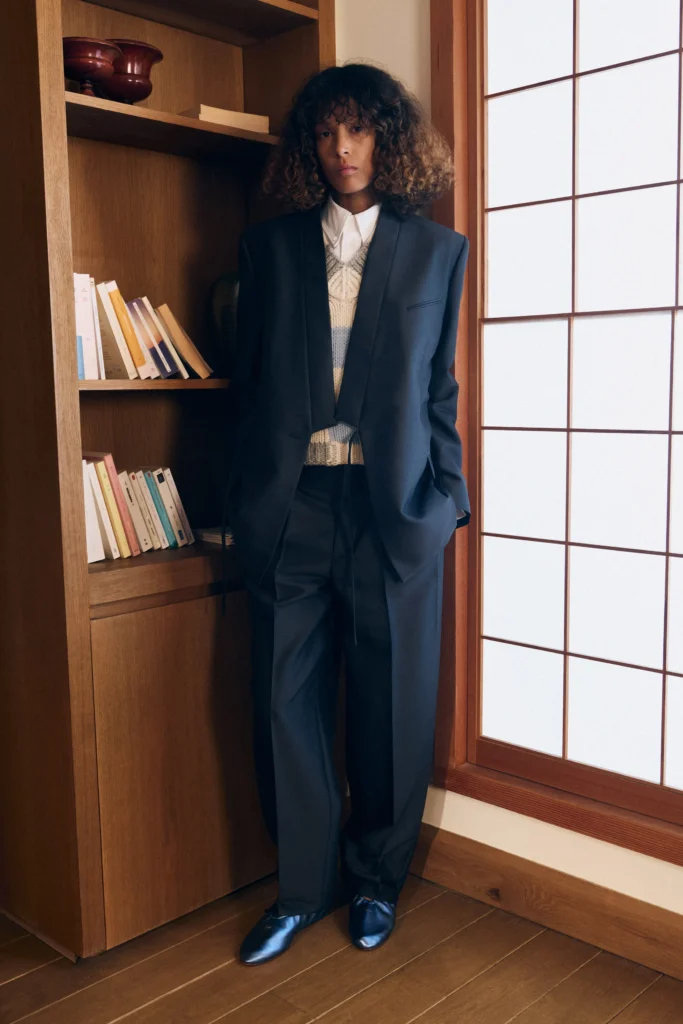
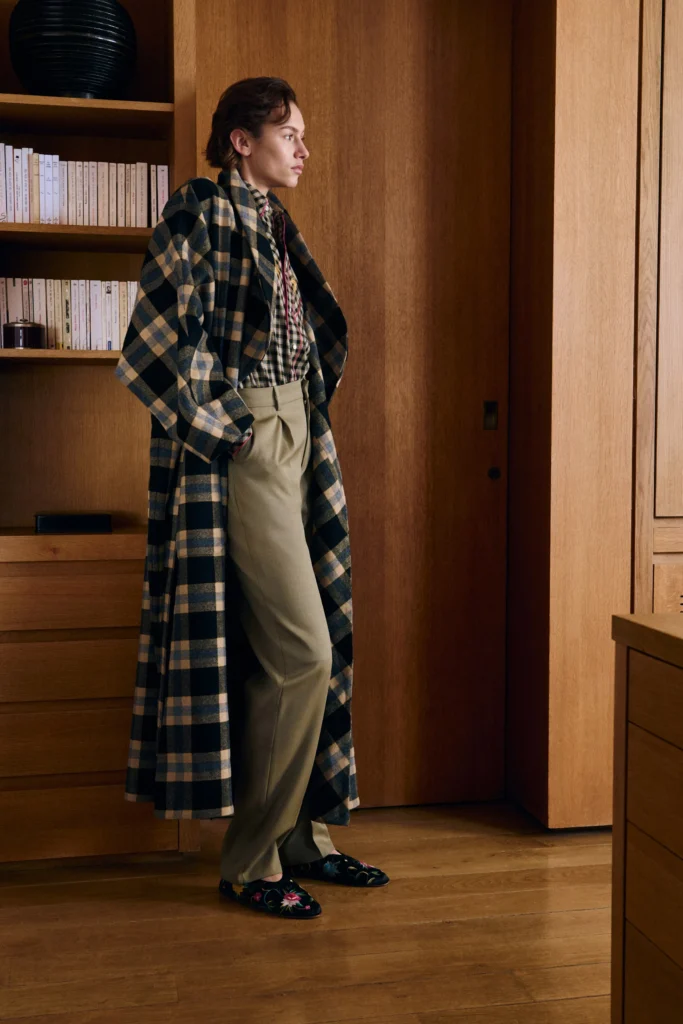
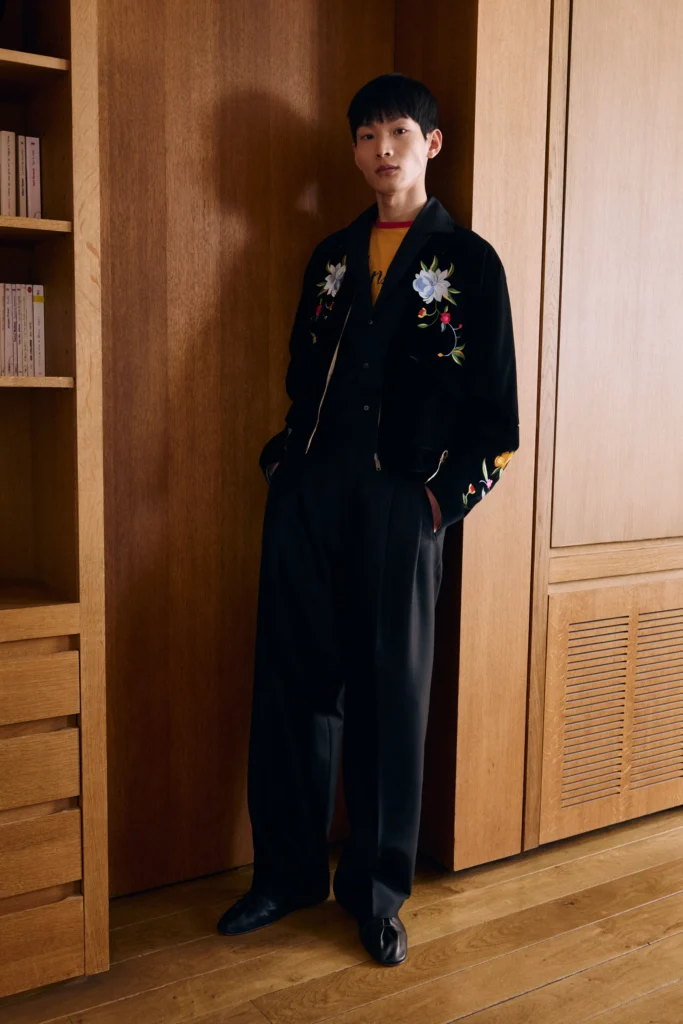
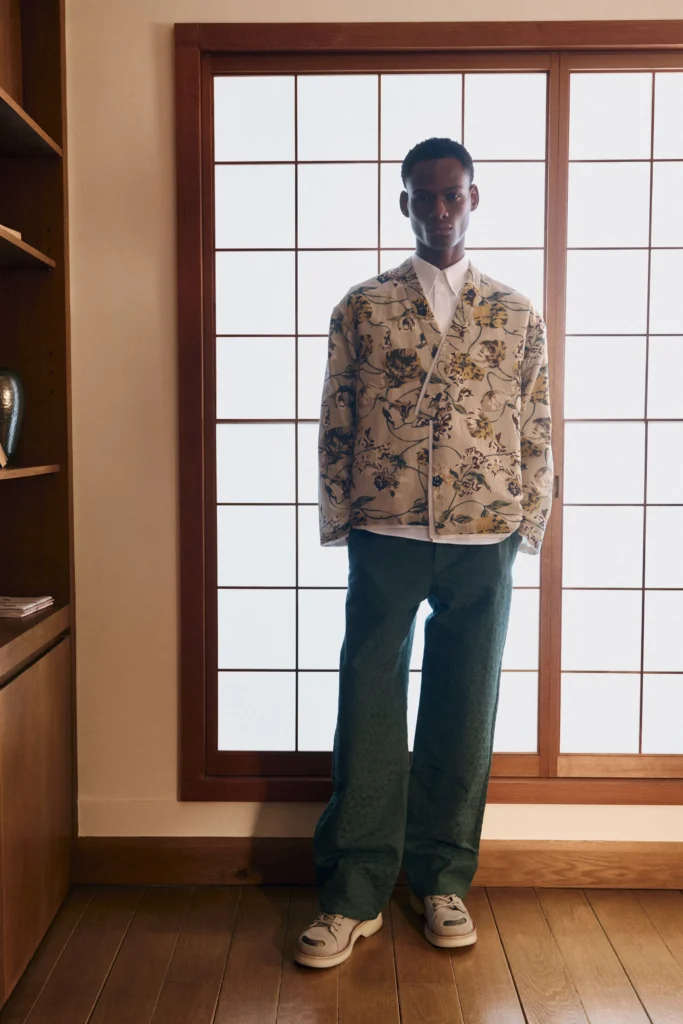
Photos Credit: Courtesy of Kenzo


