LVMH Sells Marc Jacobs to WHP Global in Major Fashion Industry Shake-Up
LVMH is officially parting ways with Marc Jacobs after nearly three decades. The luxury giant has reached a definitive agreement to sell the brand to WHP Global, marking one of the most notable fashion acquisitions of the year.
Despite the ownership change, Marc Jacobs will remain creative director of his namesake label, ensuring continuity across the brand’s runway collections, campaigns, and overall creative vision. Once the transaction is finalized, WHP Global will jointly own the brand alongside G-III Apparel Group through a separate partnership agreement.
The move comes after years of speculation surrounding the future of the Marc Jacobs business. Reports surfaced last year that LVMH was in talks to sell the label to Authentic Brands Group, though negotiations reportedly collapsed over valuation concerns and discussions surrounding Jacobs’ long-term involvement.
Jacobs reflected on his long relationship with LVMH and chairman Bernard Arnault in a statement, thanking the company for supporting the growth of the brand since the late 1990s.
LVMH acquired Marc Jacobs in 1997 after appointing the designer as the first-ever creative director of Louis Vuitton womenswear. During his tenure, Jacobs helped shape Louis Vuitton into a cultural powerhouse while simultaneously building his own label into a globally recognized fashion name.
Arnault praised Jacobs’ influence on fashion, calling him “a designer of rare creativity and unique vision,” while expressing confidence in the brand’s future under its new ownership structure.
The acquisition also represents a major milestone for WHP Global founder and CEO Yehuda Shmidman, who described the deal as a defining moment for the company. According to sources close to the negotiations, Shmidman prioritized maintaining Jacobs’ creative leadership and developed a strong working relationship with the designer throughout the process.
WHP Global will not be operating the brand alone. Following the acquisition, the company will form a 50/50 joint venture with G-III Apparel Group. G-III will then purchase the global operating business for Marc Jacobs while entering into a long-term licensing agreement with WHP, which will focus on brand management and licensing opportunities.
The partnership significantly strengthens G-III’s luxury and contemporary fashion portfolio. The company already owns brands including Donna Karan, DKNY, and Karl Lagerfeld.
G-III chairman and CEO Morris Goldfarb called Marc Jacobs “one of the most influential names in fashion,” emphasizing the company’s continued push toward building a diversified portfolio of globally recognized brands.
While financial terms of the full deal were not officially disclosed, G-III confirmed it is contributing approximately $500 million toward the transaction through a combination of cash reserves and revolving credit borrowings.
At WHP Global, Marc Jacobs is expected to become a centerpiece of the company’s premium fashion division, joining labels like Vera Wang, Rag & Bone, and G-Star. With the addition of Marc Jacobs, WHP’s portfolio is projected to surpass $9.5 billion in annual global retail sales.
Although Marc Jacobs’ runway collections continue to receive critical acclaim, the business has increasingly been driven by accessories — particularly handbags and leather goods — rather than high-fashion ready-to-wear.
Now, under WHP Global and G-III Apparel Group, the next chapter for Marc Jacobs begins with a renewed focus on expanding the brand’s global reach while preserving the creative identity that made it one of fashion’s most influential labels.
The transaction is expected to close during the third quarter of 2026.
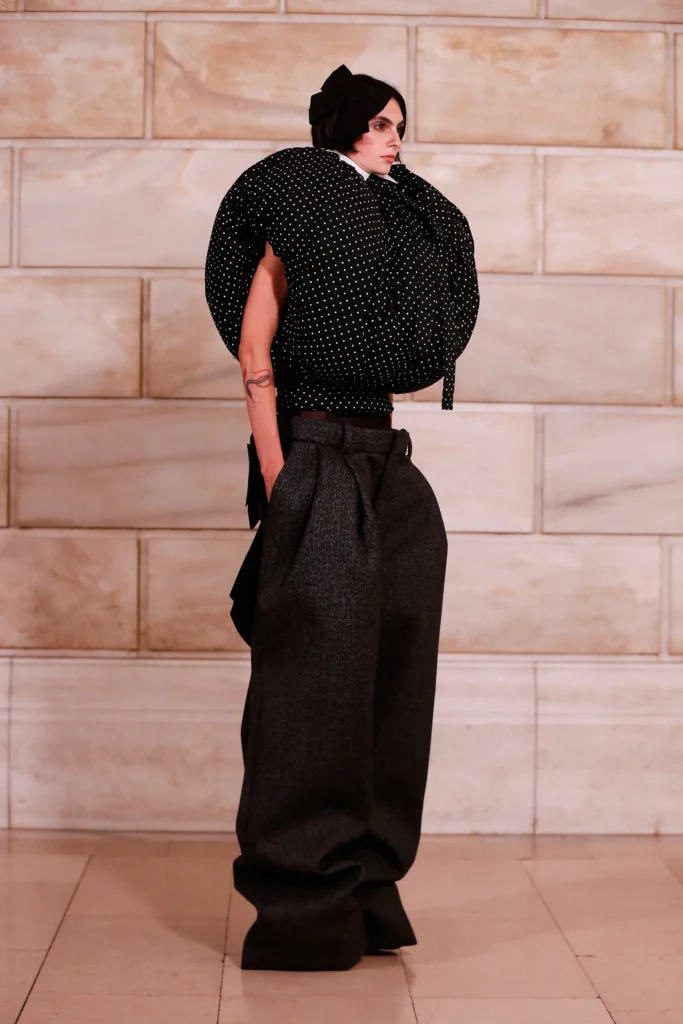
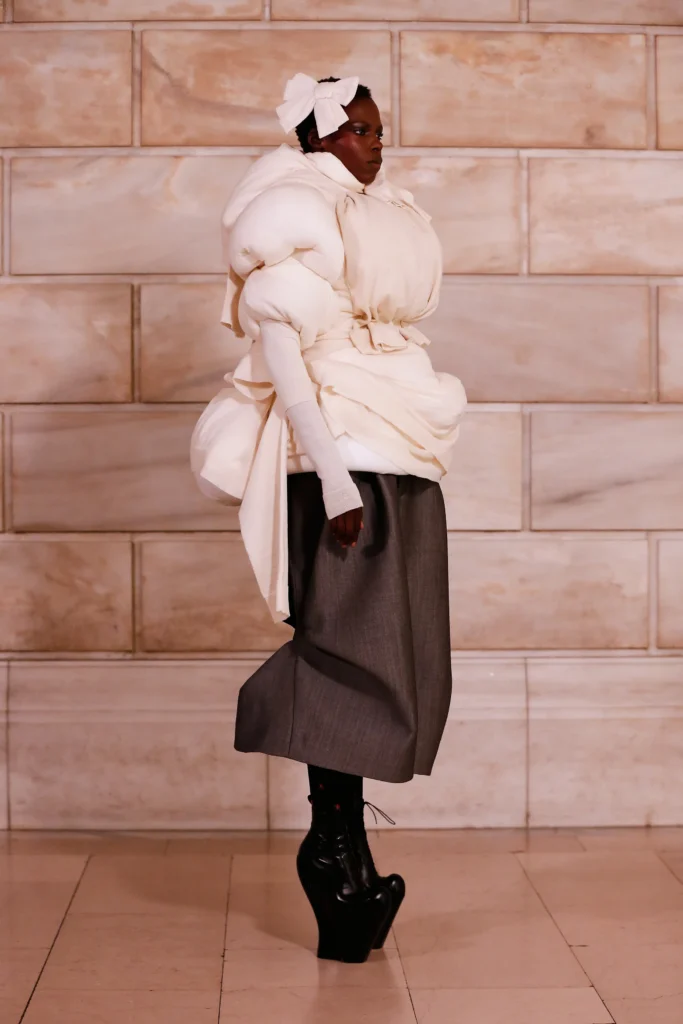
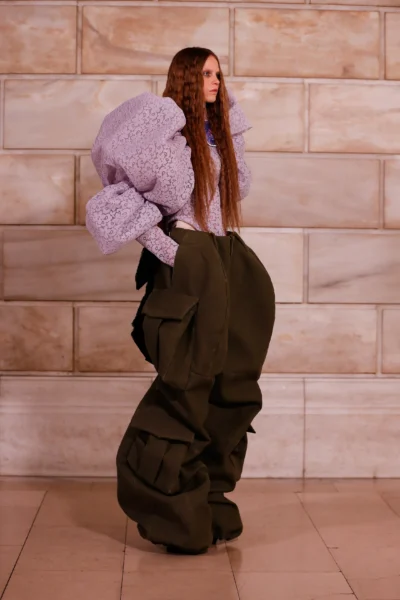
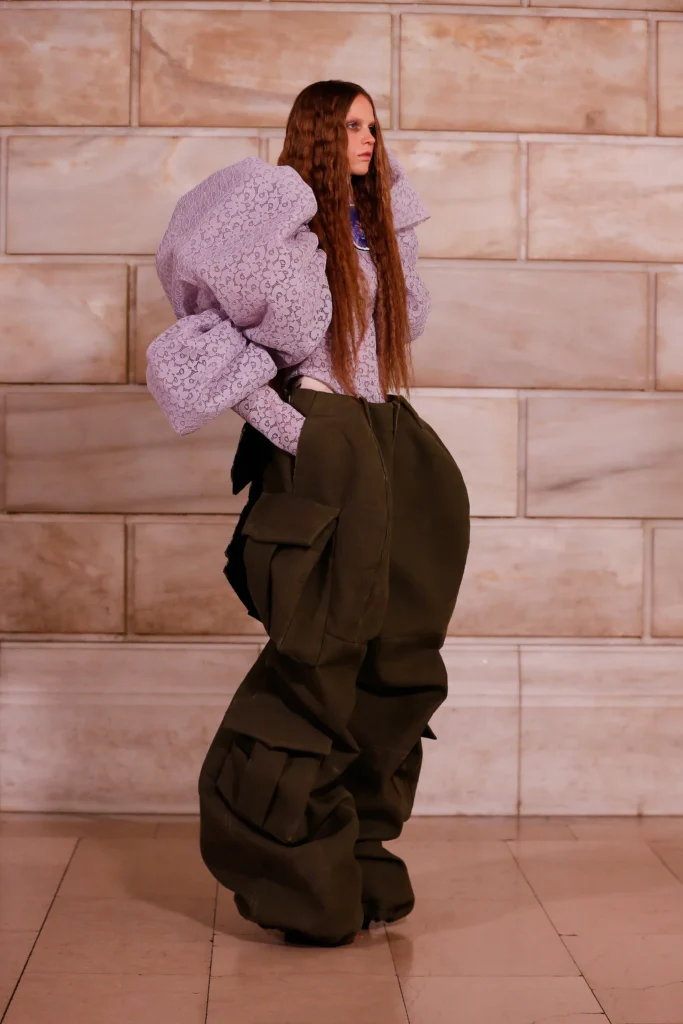
Photos credit: Marc Jacobs’ Fall 2025 collection Courtesy of Marc Jacobs


