Lookbook Review: Wales Bonner Fall/Winter 2026 Menswear — Morning Raga
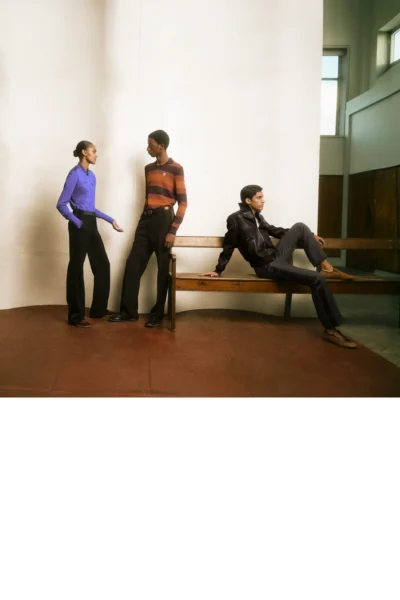
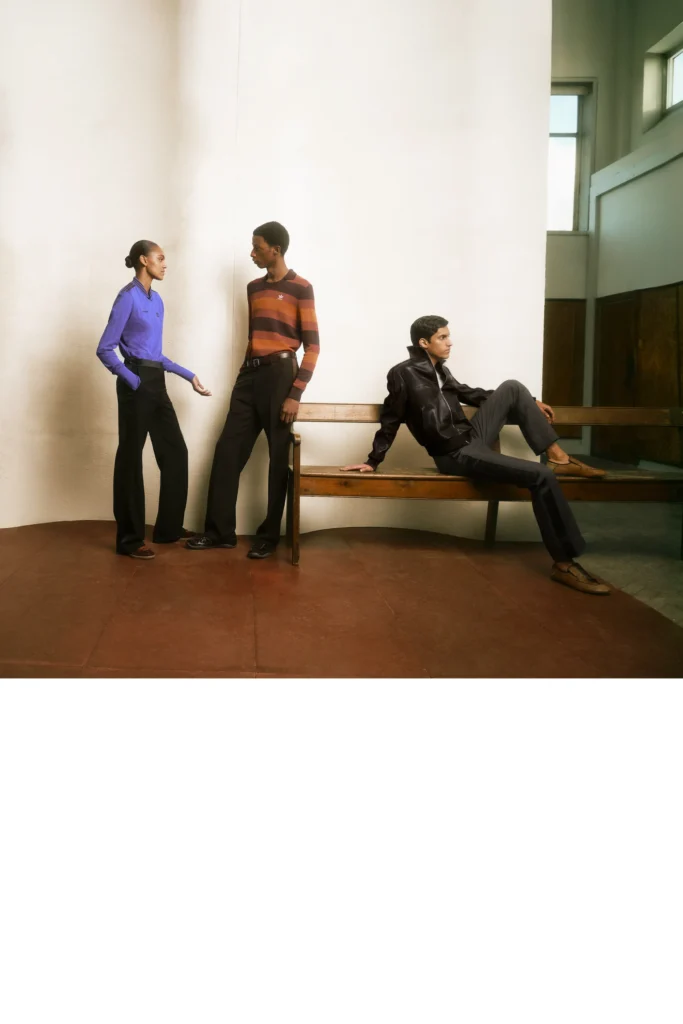
London — Grace Wales Bonner is having a moment, though she’s far too measured to rush it. Speaking to Vogue by phone about her Fall/Winter 2026 menswear collection, the designer marked her first major interview since fashion media and social platforms erupted over the news of her appointment as Hermès’ next menswear designer. The significance is impossible to overstate: Wales Bonner will become the first Black woman to lead menswear at a major luxury fashion house. It is a historic milestone—one that affirms that vision, rigor, and purpose can indeed open doors once considered sealed shut.
Yet if the industry is eager to gallop ahead, Wales Bonner remains firmly grounded. “I’m not starting till later in the year,” she clarified. Véronique Nichanian presented her final Hermès men’s collection yesterday in Paris (see it here), closing a 37-year chapter with a deserved farewell. Wales Bonner’s debut will arrive in January 2027—no hype, no haste. This patience, this unshakable confidence in timing, feels distinctly Hermès.
For now, the focus remains on her own label. Fall/Winter 2026 arrives not on the runway, but through a lookbook titled Morning Raga—a collection as intellectually composed and quietly assured as her work has always been. The name nods to the late Indian architect Balkrishna Doshi, a pioneer of brutalist and modernist architecture whose work shaped post-Independence India.
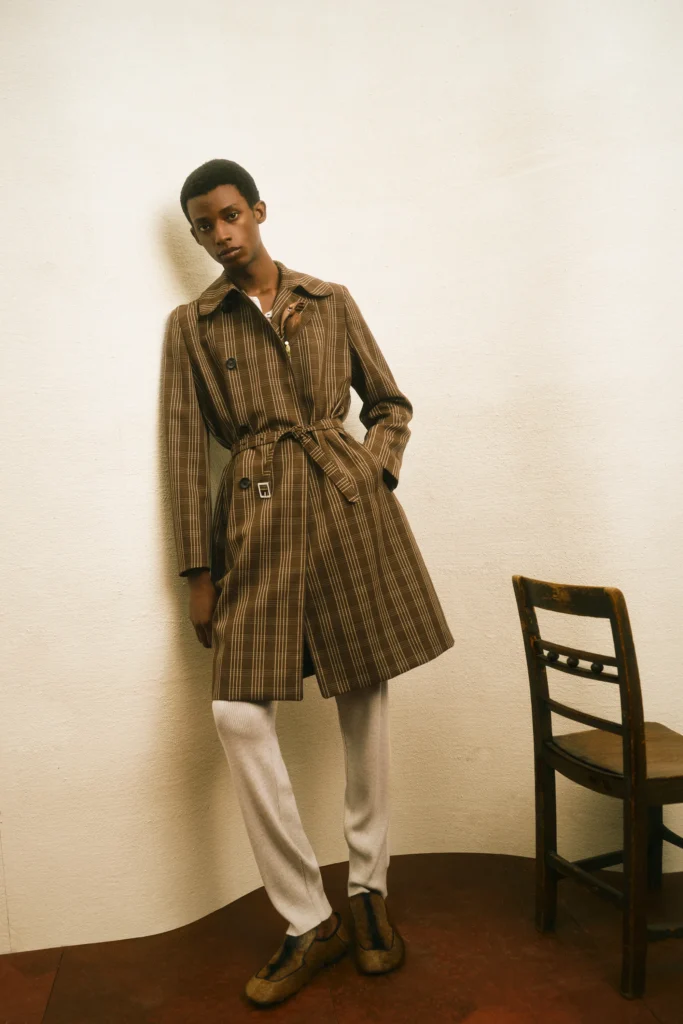
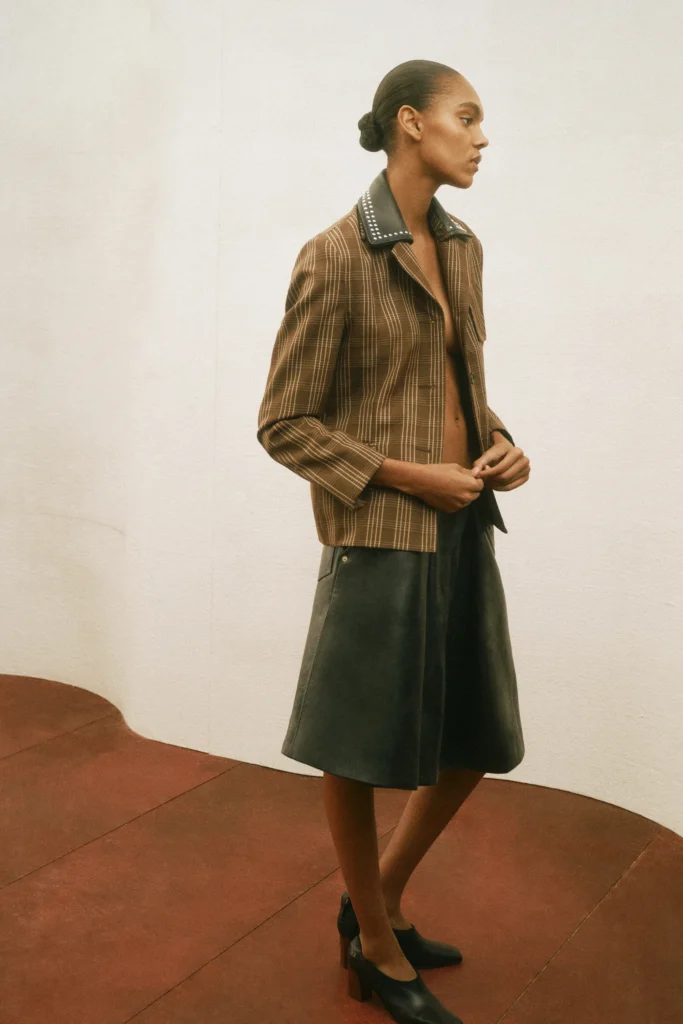
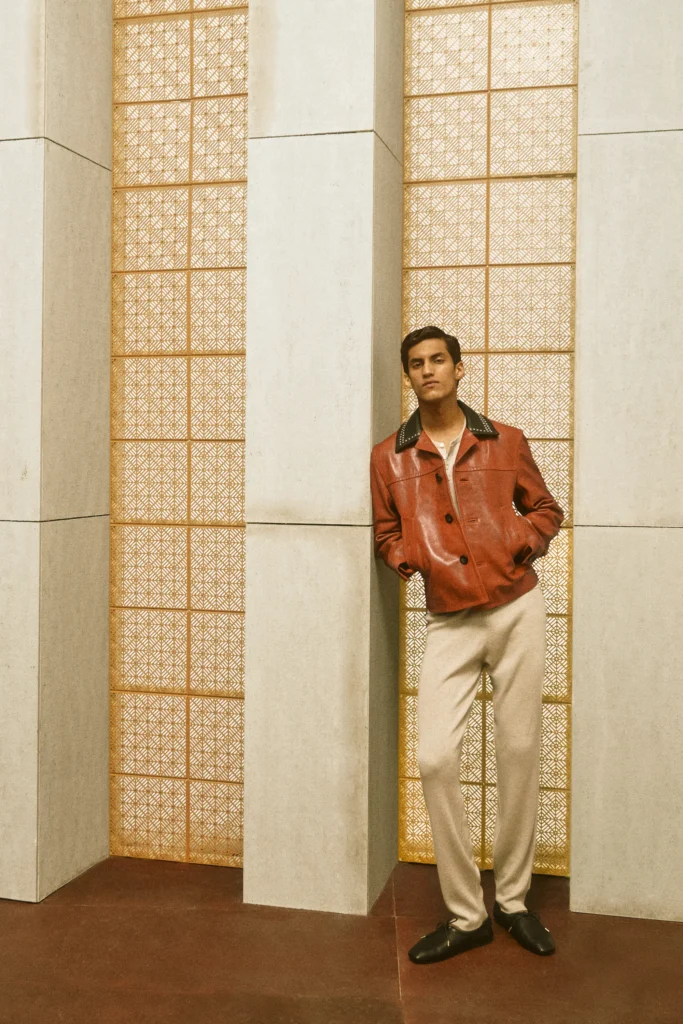
“I was thinking about Indian modernism and modernist architecture,” Wales Bonner explained, “modernism as a way of renegotiating and creating new identities.” Her interest lies less in geographic specificity than in the broader post-colonial context of modernism—how new nations like Ghana and Senegal adopted architectural forms as expressions of independence and optimism. Doshi’s grid structures, arches, and earthy tonal spectrum echo throughout the collection in muted browns, precise knit stitches, Madras checks, and intricately woven jacquards.
“There was something about these new designs emerging at a time of independence,” she continued. “Great structures, new structures. It allows for independent thinking—new ideas about what society could look like.”
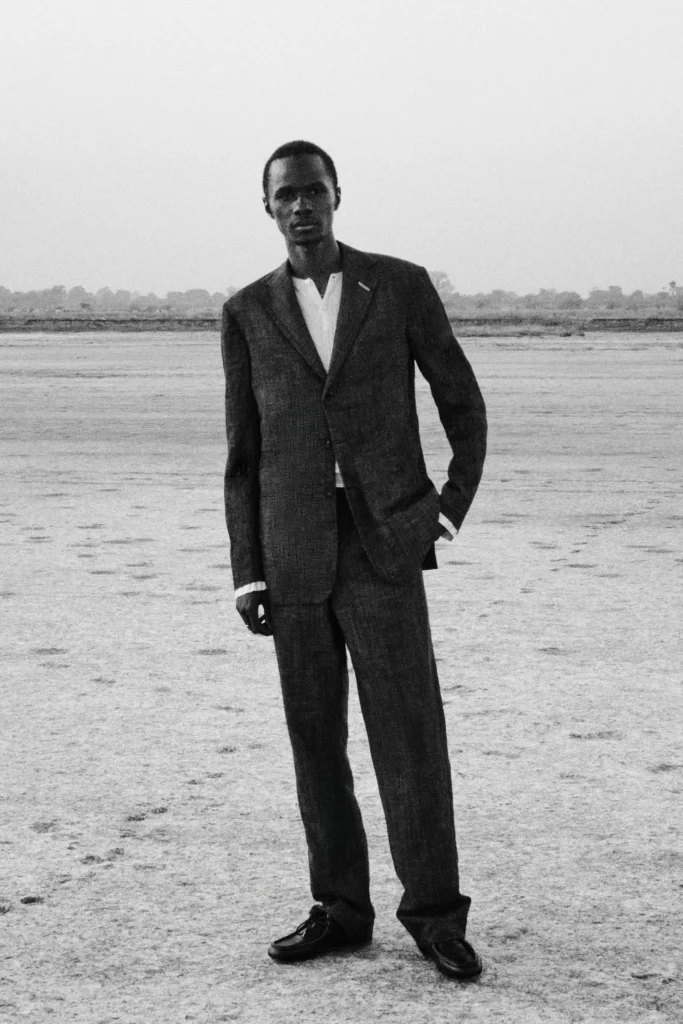
That architectural thinking mirrors the very framework of the Wales Bonner brand itself. The ceremonial codes, the balance between formality and ease, and the continuity of her collaborators—adidas, Savile Row tailors Anderson & Sheppard—remain foundational. A white diagonal stripe across a brown polo or leather bomber reads like a dignitary’s sash. Her signature tailcoat and tuxedo trousers, present since the brand’s earliest days, are reimagined in washed indigo linen, paired with a softened wing-collar shirt—formalwear made breathable, human.
“At its core, it’s always about working with classicism and then introducing some disruption,” she said. “But also keeping that reassurance of craft, history, and heritage.”
That devotion to craft has recently expanded to include John Smedley, the Derbyshire knitwear house founded in 1784. Wales Bonner speaks fondly of working with “very, very specialized people,” relishing their archives and technical expertise. It’s an instinct that feels prophetic as she prepares—eventually—to engage with the famously exacting artisans of Hermès.
For now, she continues to travel between London and Paris, balancing worlds with the same precision she brings to her clothes. Morning Raga stands not as a prelude, but as a reaffirmation: Grace Wales Bonner is not transitioning, not pausing, not pivoting. She is simply building—carefully, confidently, and entirely on her own terms.
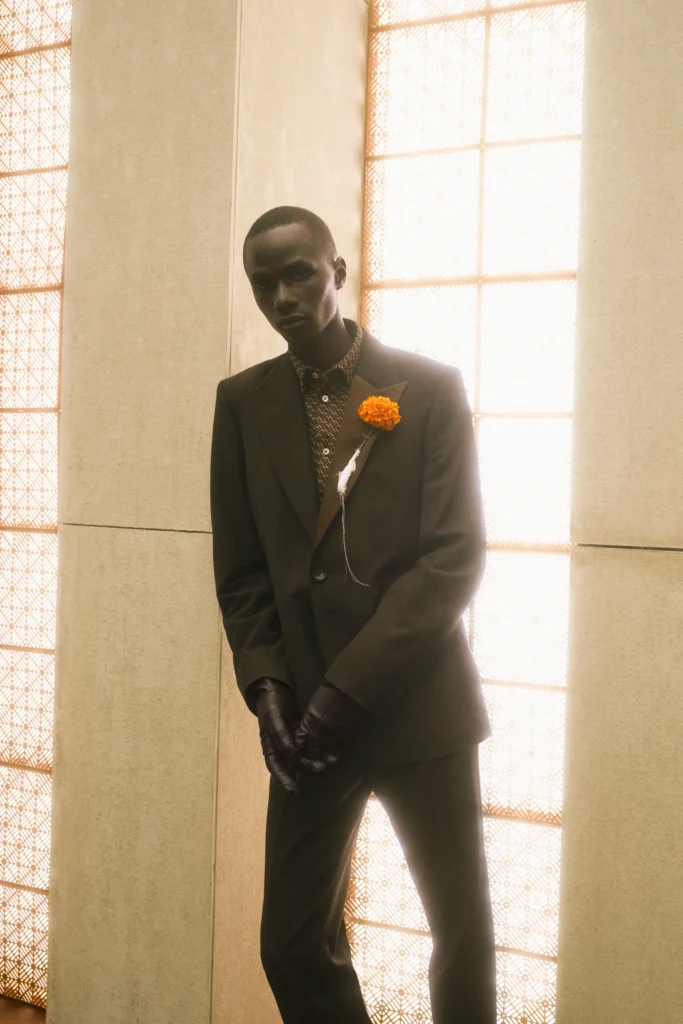


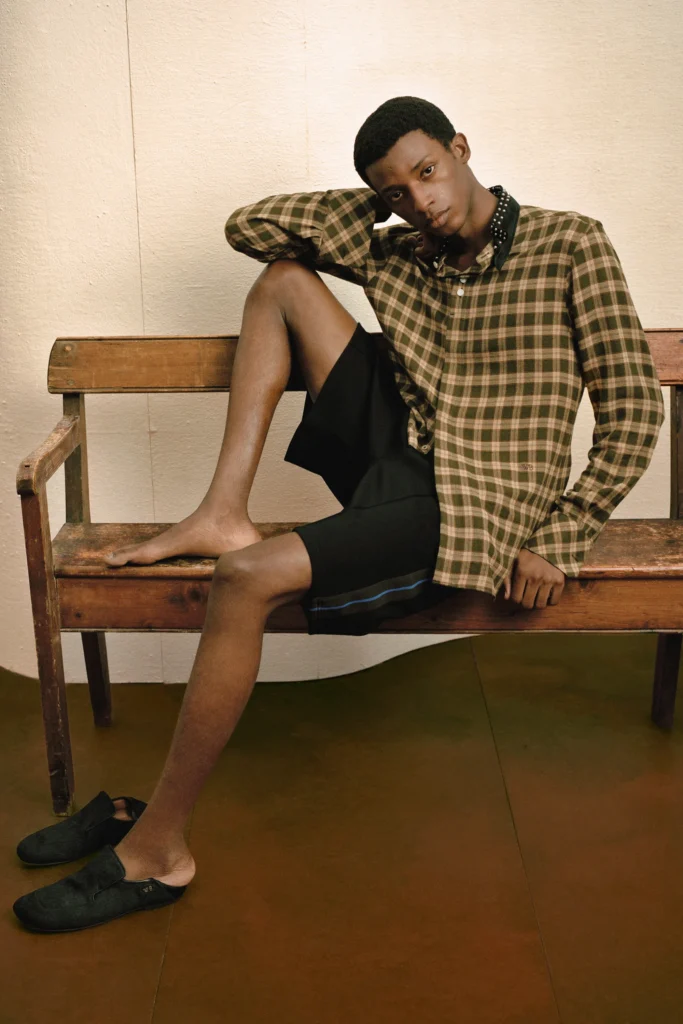
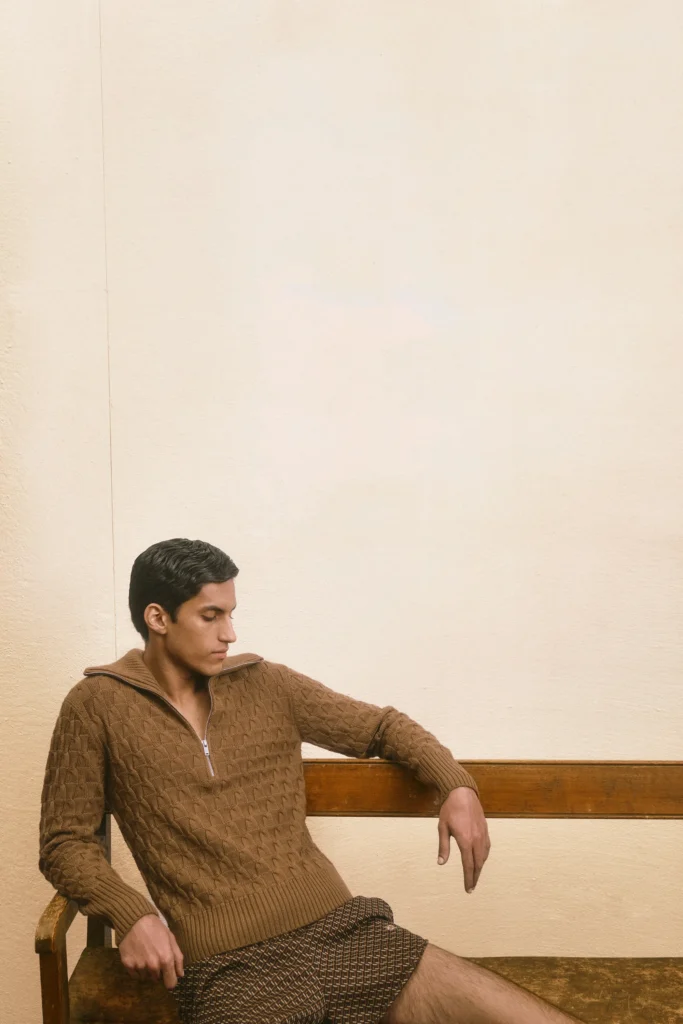
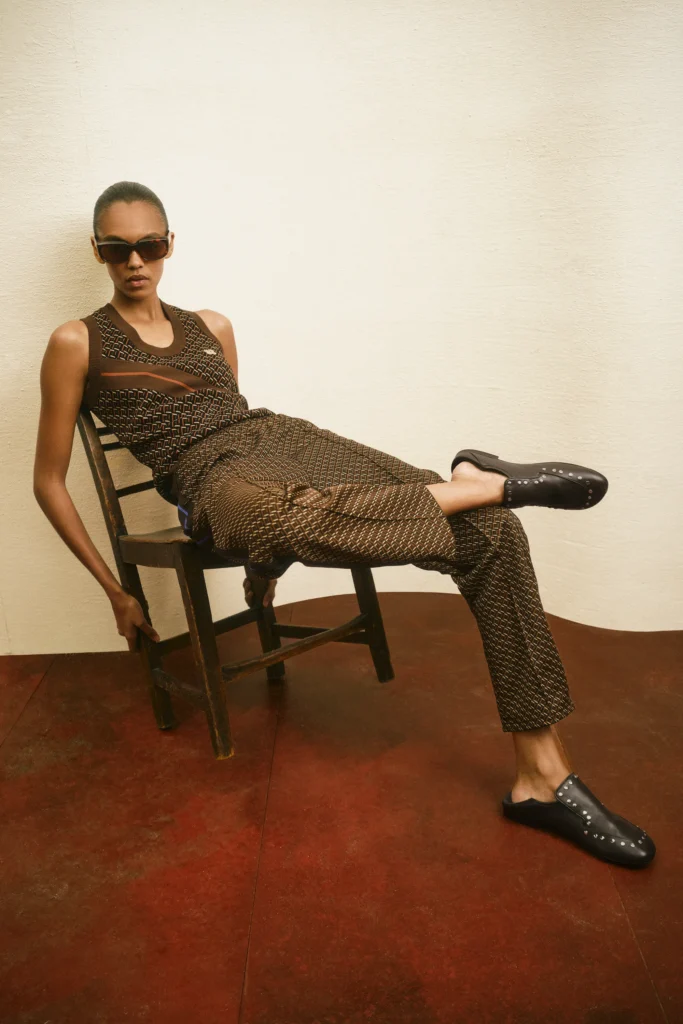


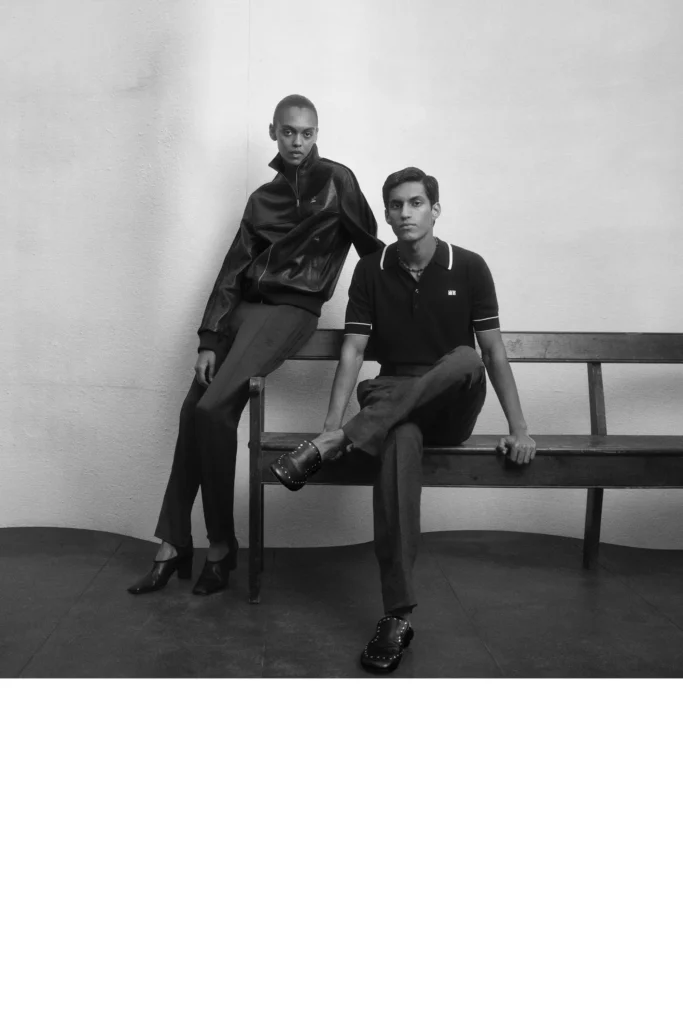


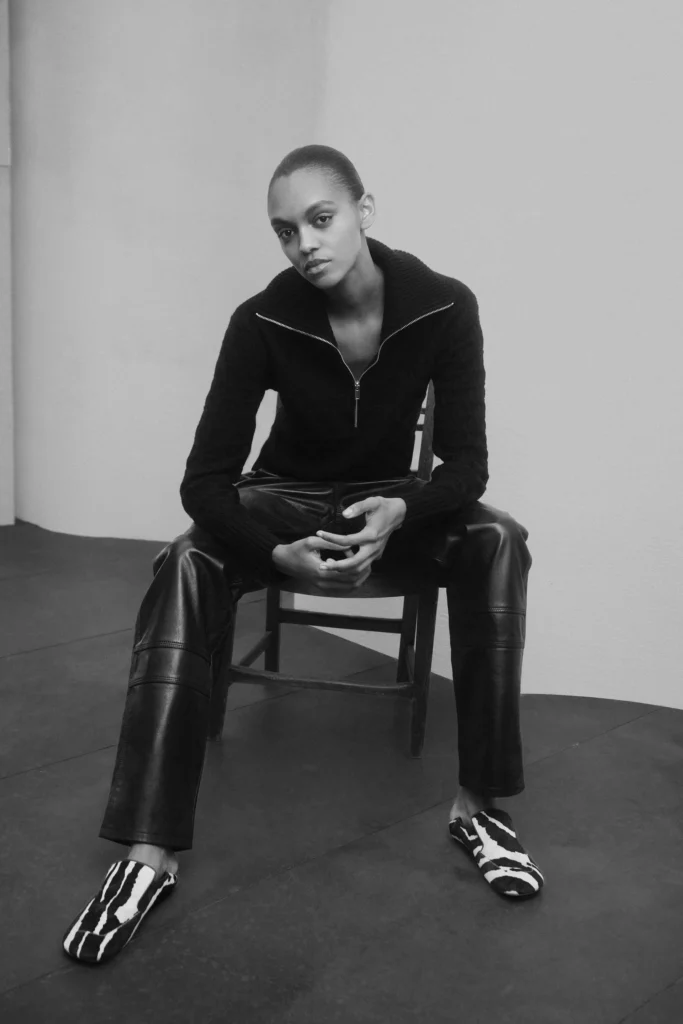

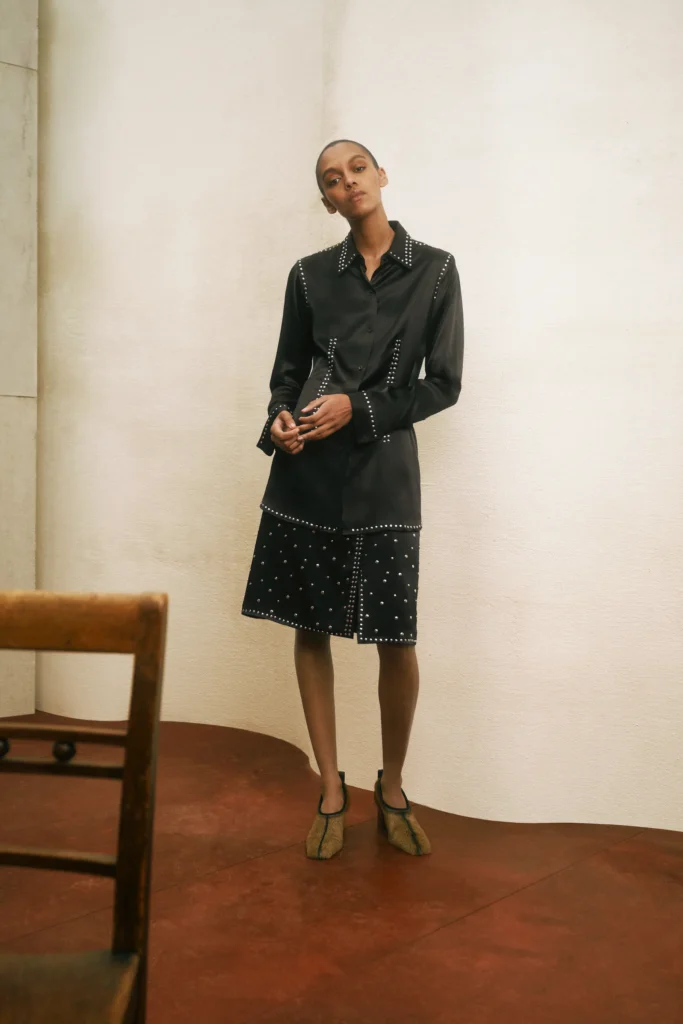
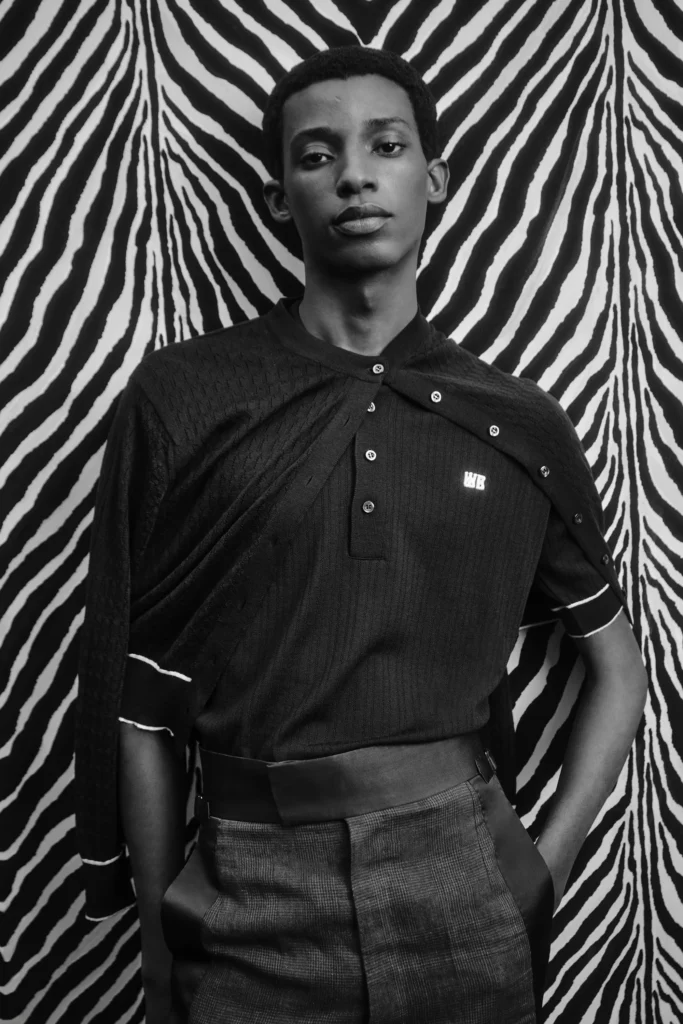
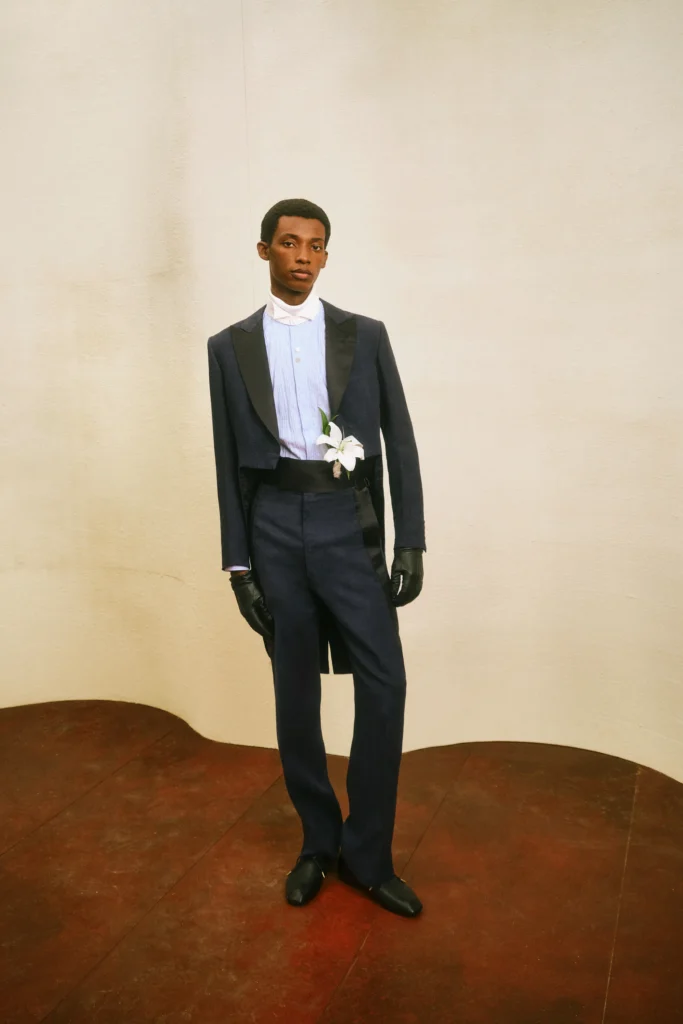
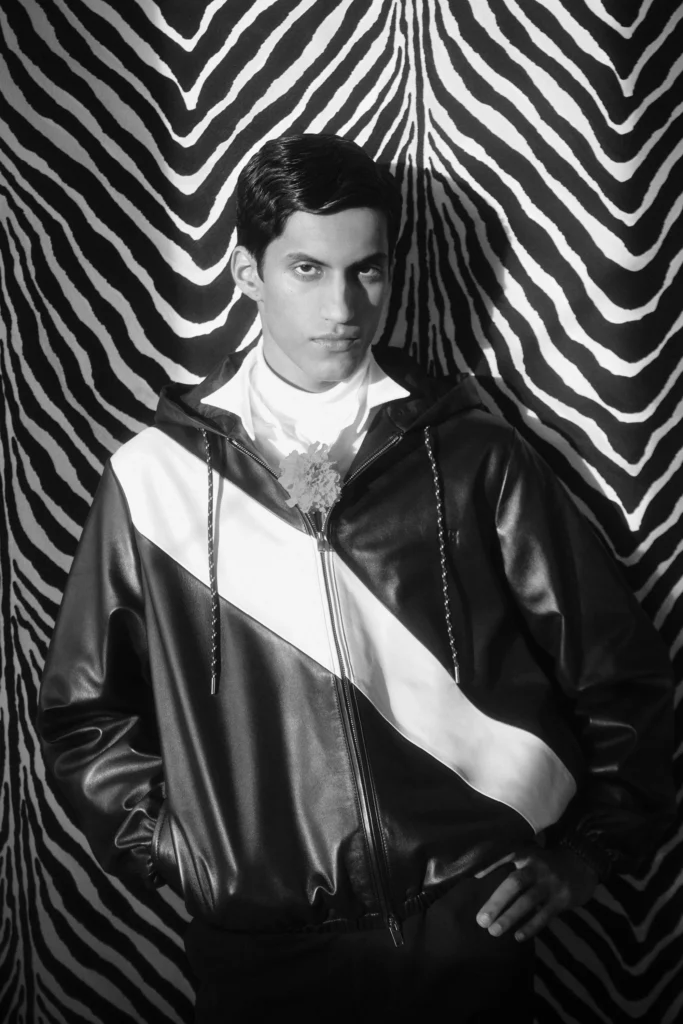
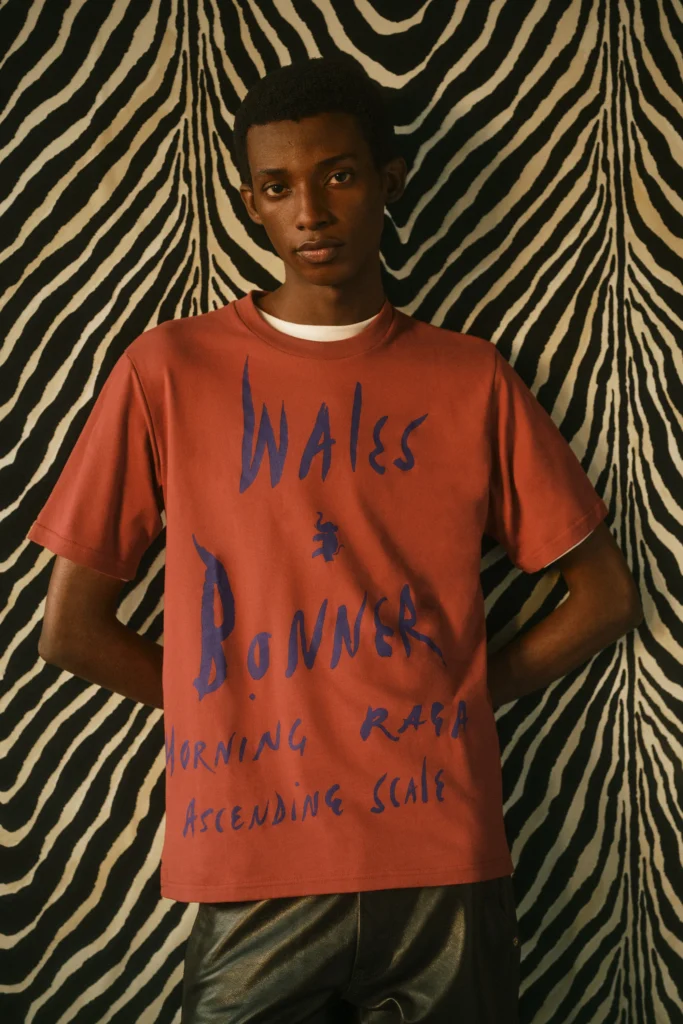
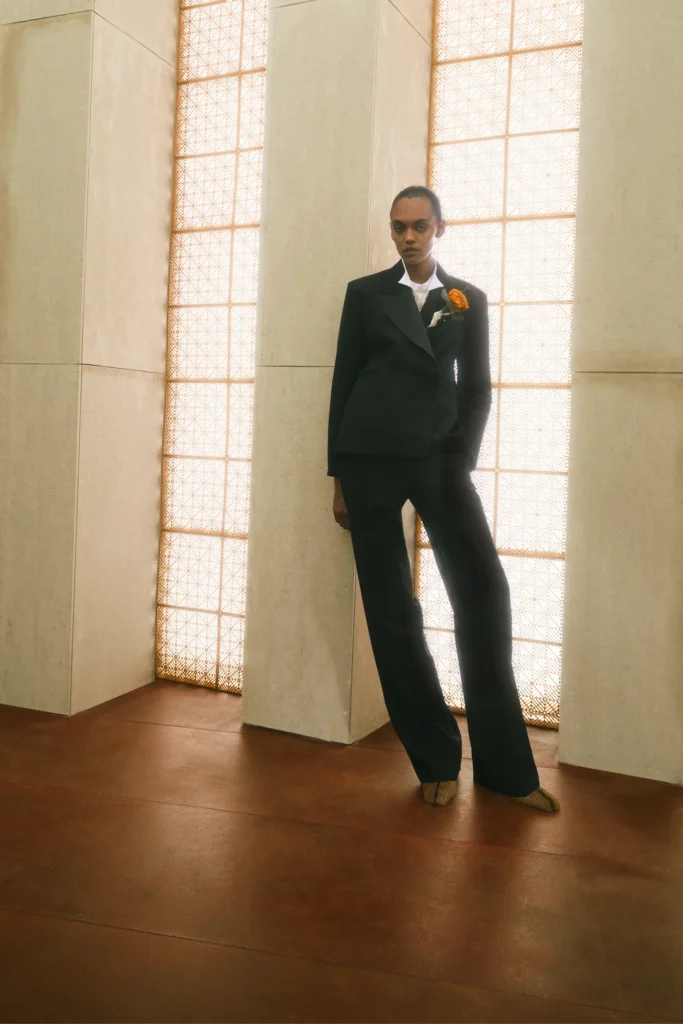
Photos Credit: Malick Bodian / Courtesy of Wales Bonner
Source: Vogue


