Lil’ Kim’s Hard Core Turns 30: Celebrating the Queen Bee Who Changed Hip-Hop and Fashion Forever
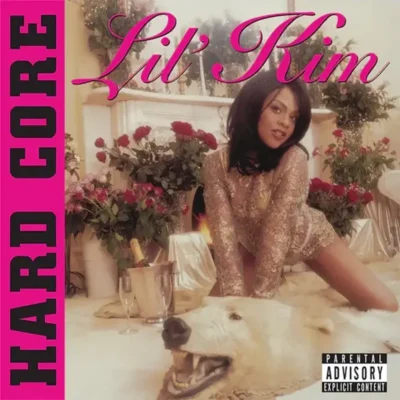
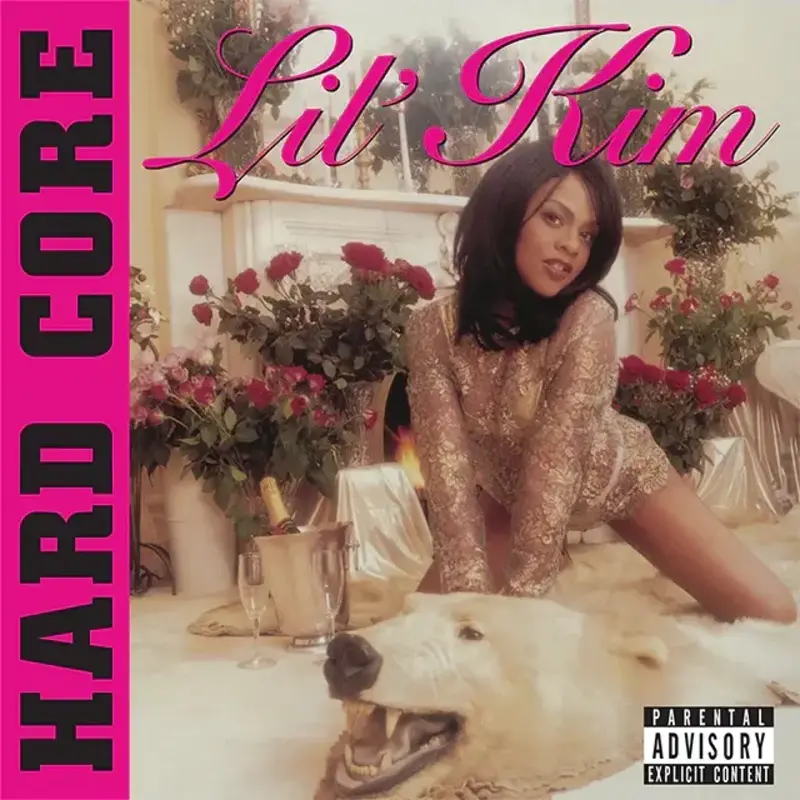
Thirty years ago, on November 12, 1996, Brooklyn-born rapper Lil’ Kim released her groundbreaking debut album, Hard Core. Executive produced by the late The Notorious B.I.G., the double-platinum record would become one of the most influential releases in female hip-hop history, challenging expectations, redefining the image of women in rap and introducing the world to an unapologetic new voice. Three decades later, its influence extends far beyond music.
As we celebrate the 30th anniversary of Hard Core, it is equally important to recognize Lil’ Kim’s impact on fashion. The Queen Bee wasn’t simply making a statement with her lyrics; she was making one with every outfit, hairstyle, accessory and red-carpet appearance. Long before fashion’s current obsession with celebrity dressing, archival designer pieces and expressive personal style, Kim was building a visual identity that was entirely her own.
From Brooklyn to the world’s most prestigious fashion circles, she broke barriers in an industry that rarely made room for women who looked, dressed or expressed themselves like her.
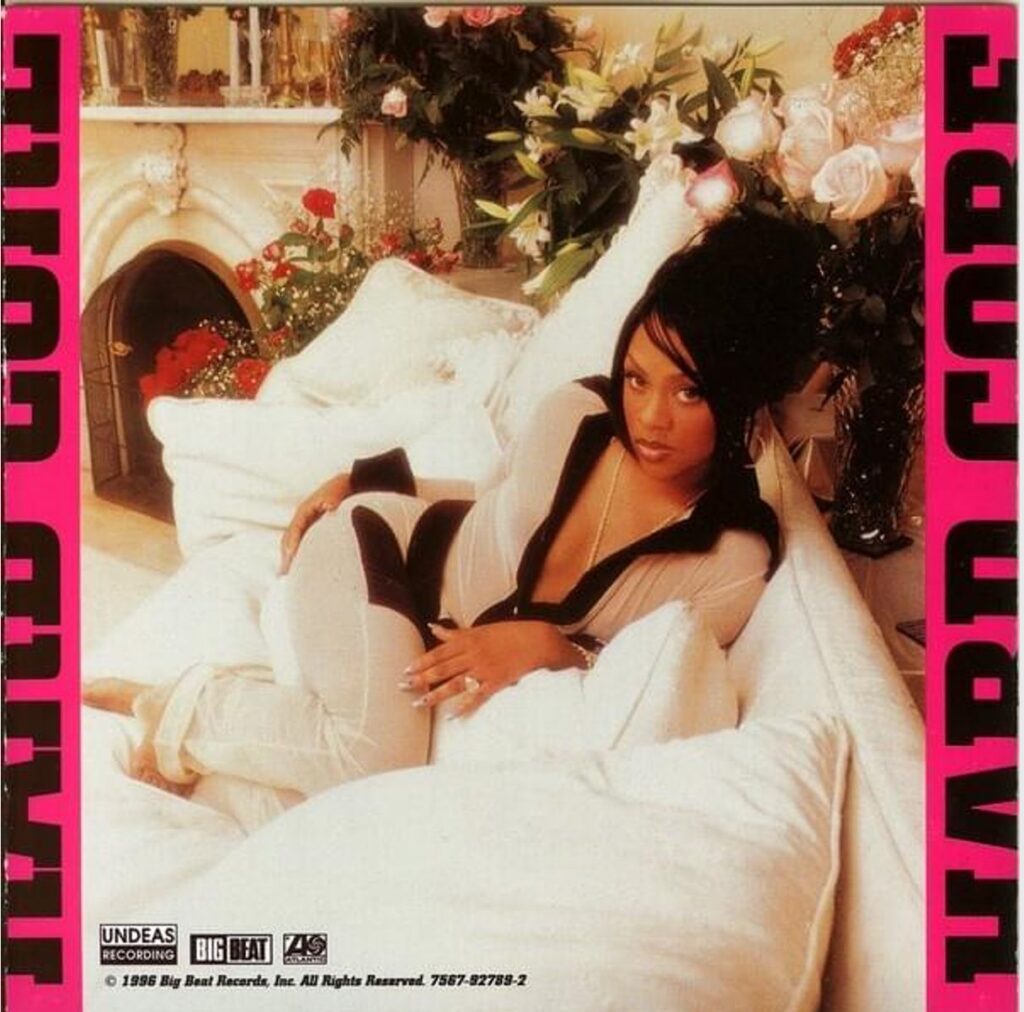
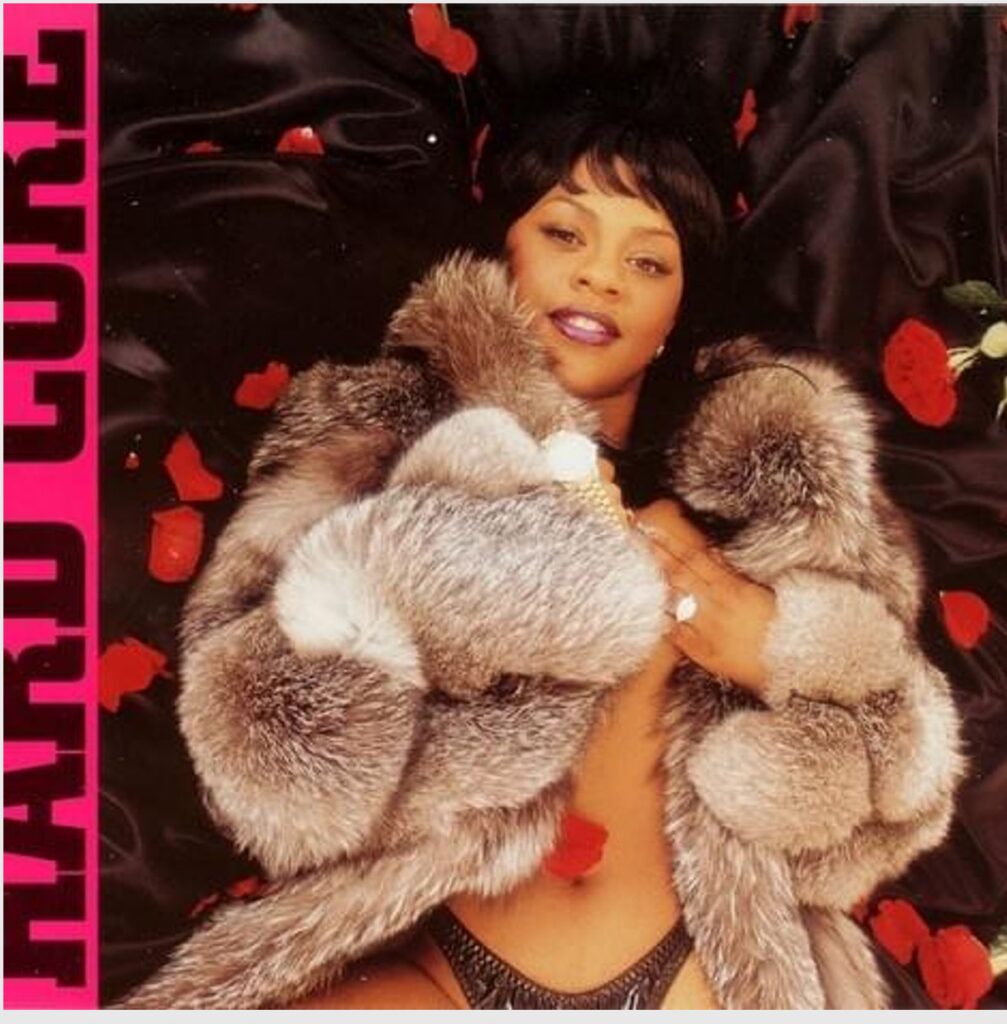
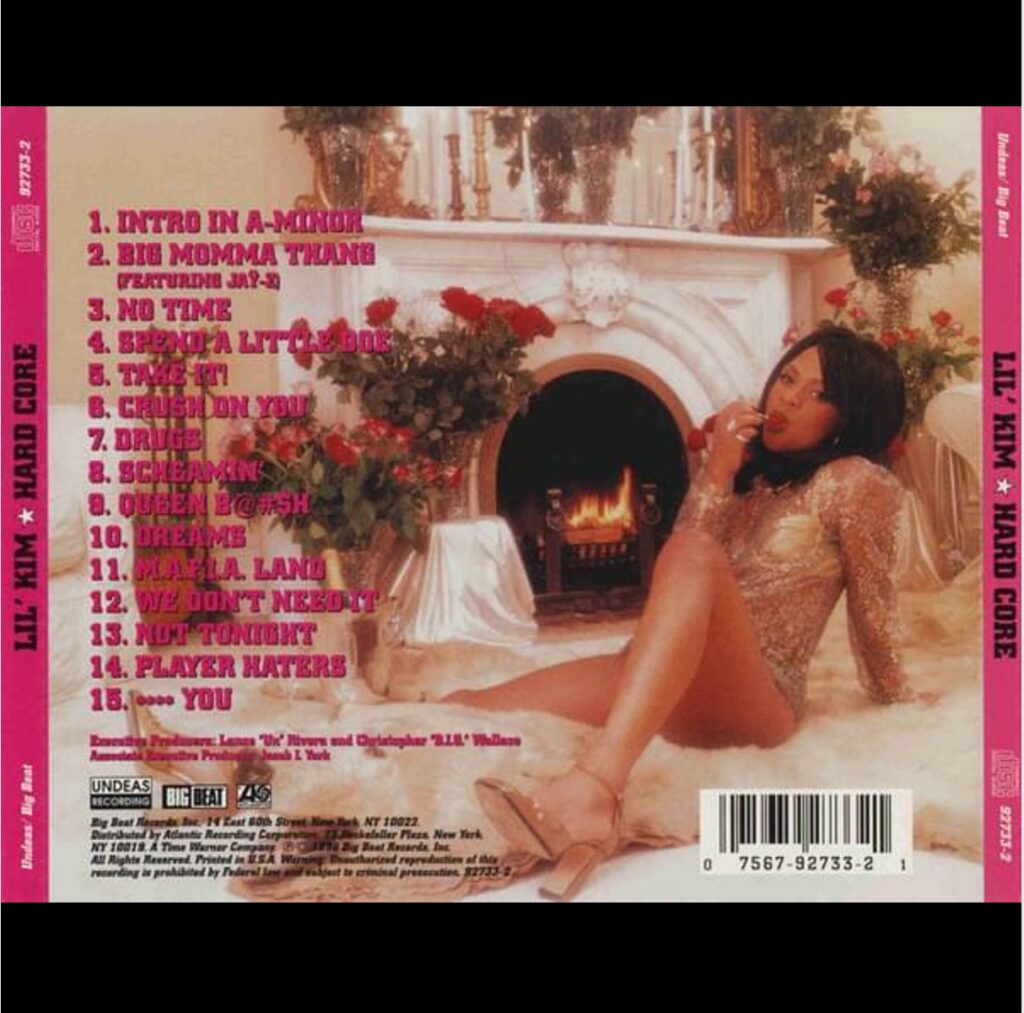
When Hard Core arrived in 1996, Lil’ Kim was unlike anything the music industry had seen. With her fearless lyricism, commanding personality and unapologetic approach to sexuality, she challenged the male-dominated culture of hip-hop and expanded the possibilities for women in rap. She wasn’t interested in fitting into an established mold. Instead, she created her own.
That same philosophy translated into her wardrobe.
The original Hard Core album cover, photographed by Michael Lavine, remains one of the most recognizable images in hip-hop history. Featuring Kim in a sheer ensemble, positioned on a white fur rug in front of a fireplace, the provocative photograph established the visual direction of an artist who understood the power of image and presentation. It was bold, controversial and unmistakably Lil’ Kim.
But the album’s influence didn’t stop at its cover.


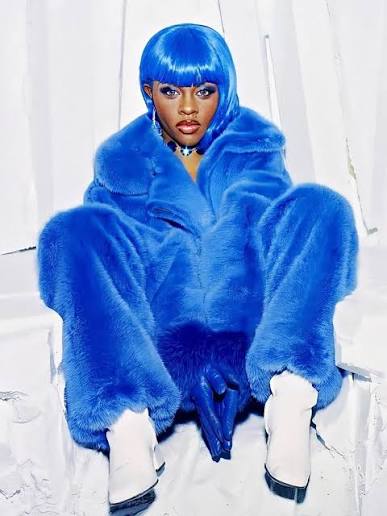
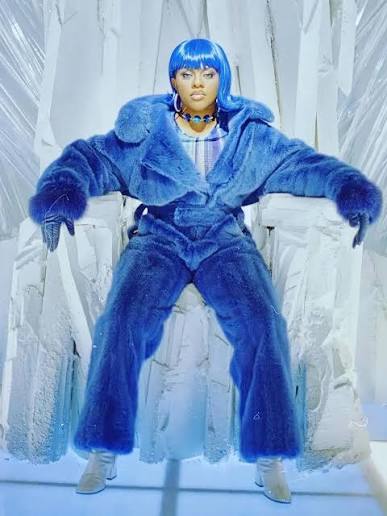
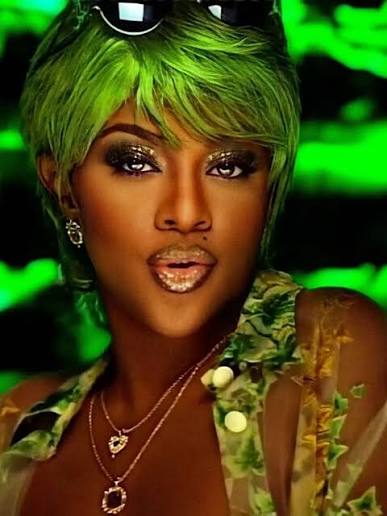
The music video for “Crush on You” became a defining fashion moment of the 1990s. Kim appeared in a series of head-to-toe, color-coordinated looks, including vibrant red, yellow, blue and blonde ensembles, demonstrating an understanding of fashion as both personal expression and performance. The visual remains iconic nearly three decades later, inspiring generations of artists, stylists and fashion enthusiasts.
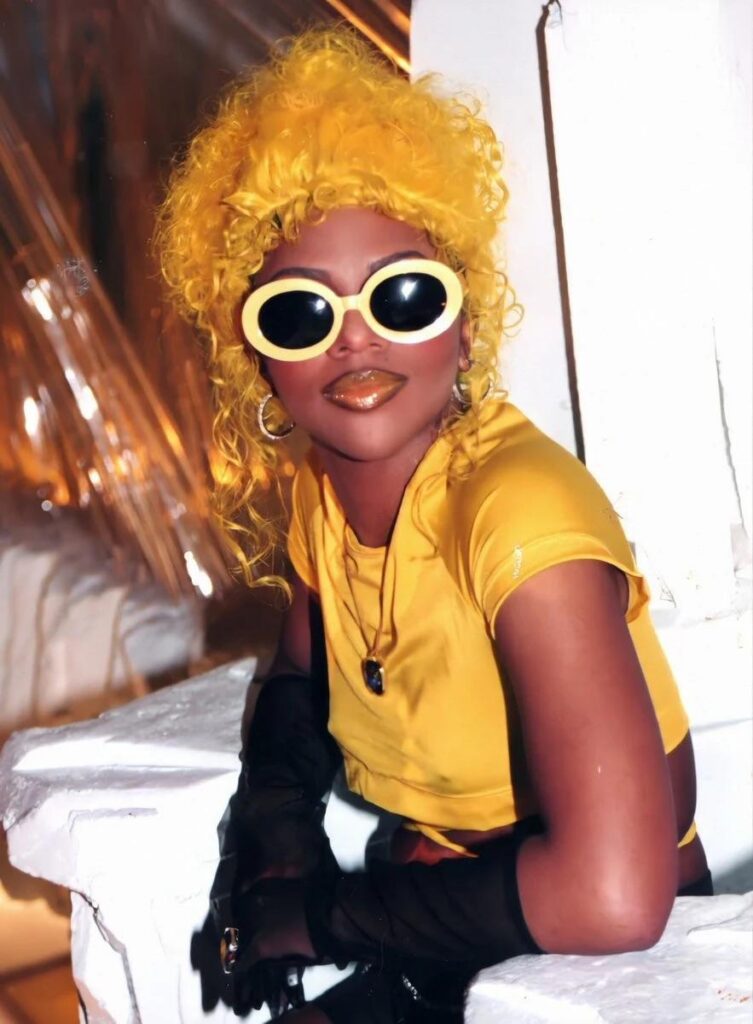
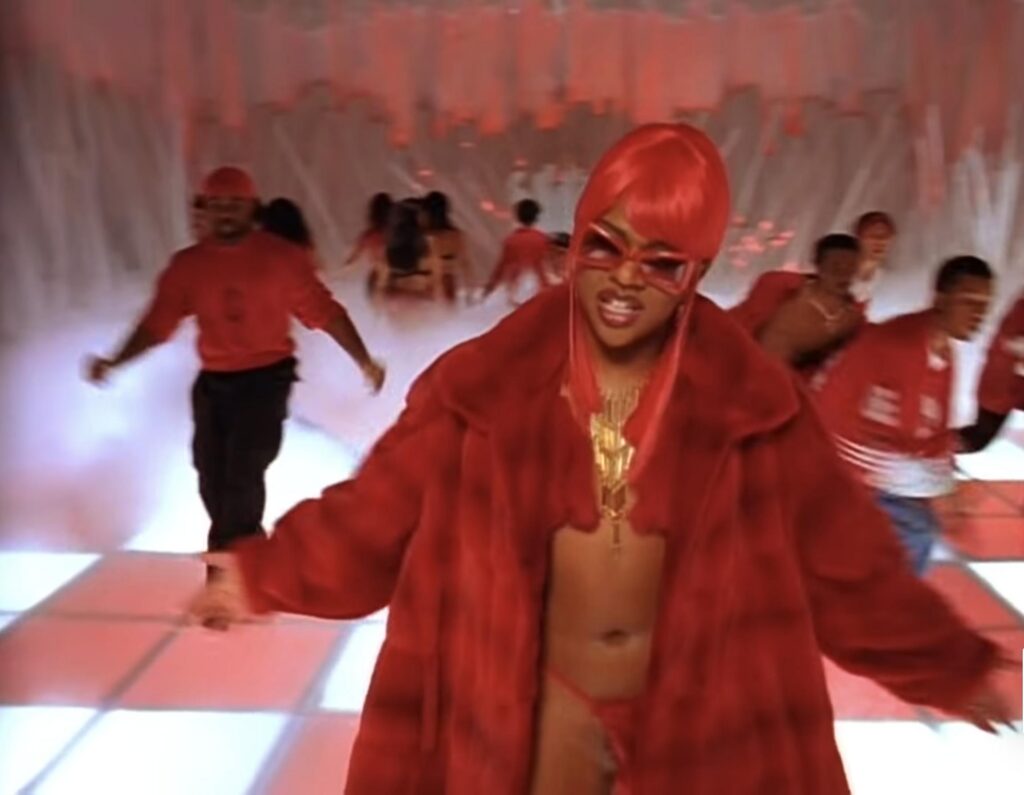
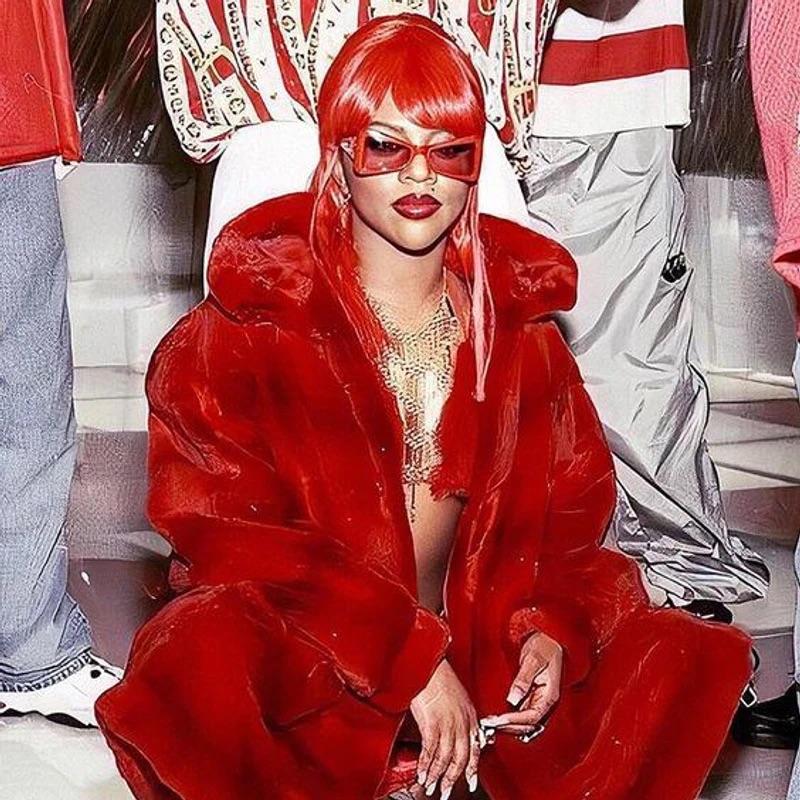
Her relationship with luxury fashion was equally groundbreaking. At a time when the fashion establishment was still navigating its relationship with hip-hop and Black culture, Kim confidently embraced some of the world’s most recognizable luxury houses. From Versace and Chanel to Louis Vuitton, she wore designer fashion on her own terms, bringing together high fashion, street culture, glamour and unapologetic femininity.
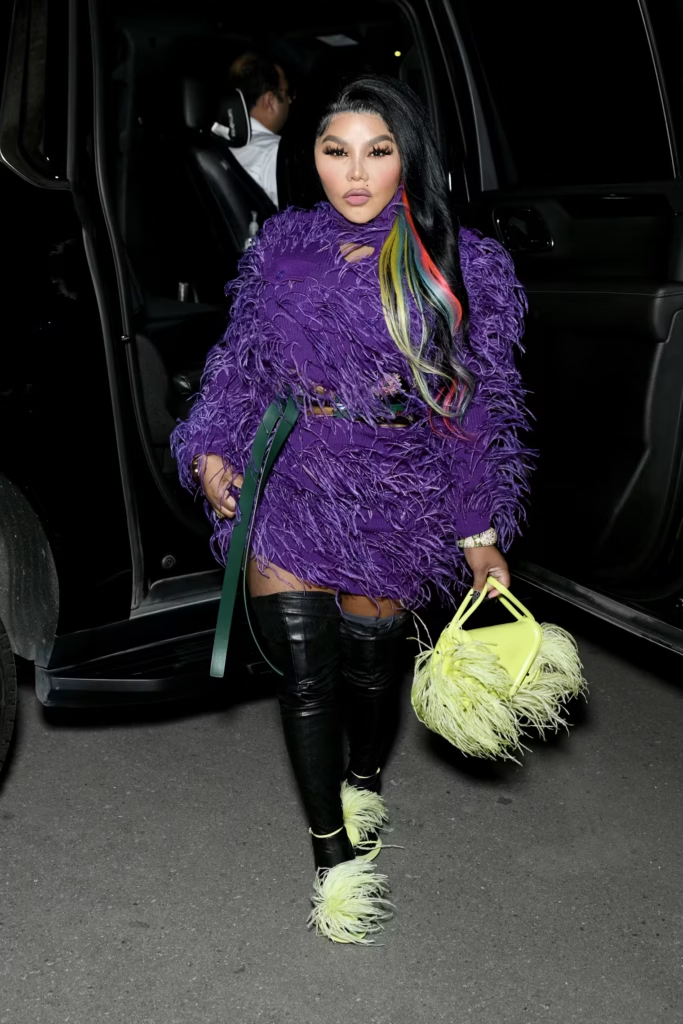
Lil Kim at the Bottega Veneta show in 2021, wearing a purple feathered mini dress, a green bag, and feather-trimmed boots.
Her custom pink Versace ensemble at the 1999 Met Gala, complete with a matching fur, became one of the most memorable celebrity fashion moments of the decade. The look demonstrated that Kim understood the importance of fashion as spectacle and wasn’t afraid to take risks on one of the industry’s biggest stages.
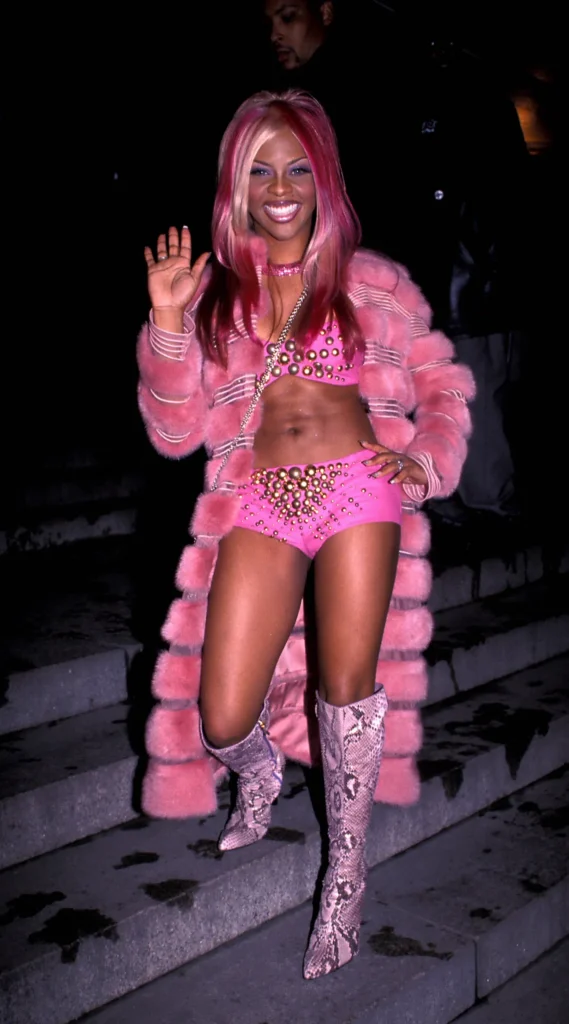
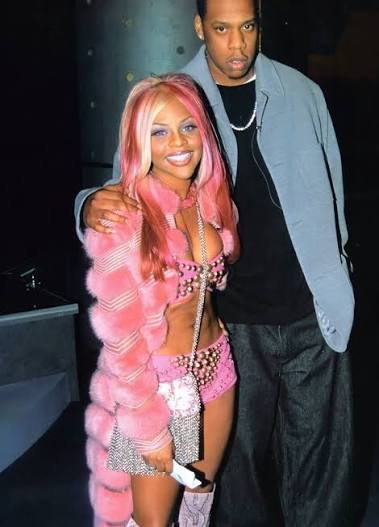
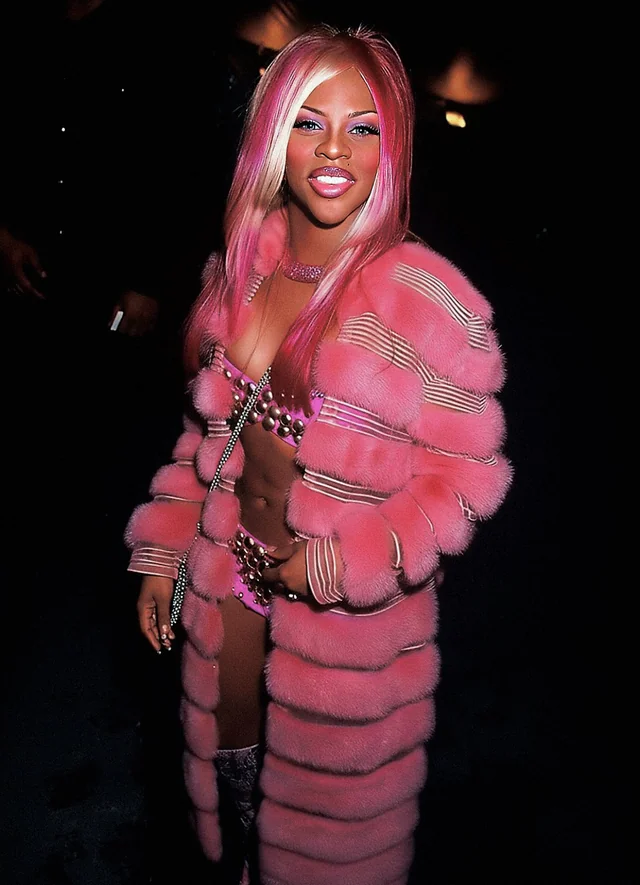
Lil Kim wearing Atelier Versace Fall/Winter 1999 while attending the 1999 Met Gala.
She also developed relationships with influential fashion figures, including Donatella Versace and Marc Jacobs, further establishing herself as a fixture within luxury fashion circles. Her appearance in David LaChapelle’s now-iconic Louis Vuitton monogram portrait remains another defining moment in her fashion legacy.
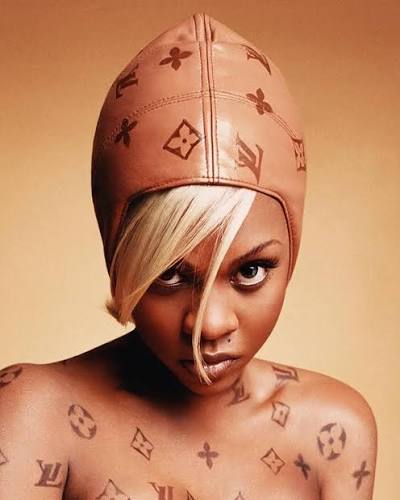
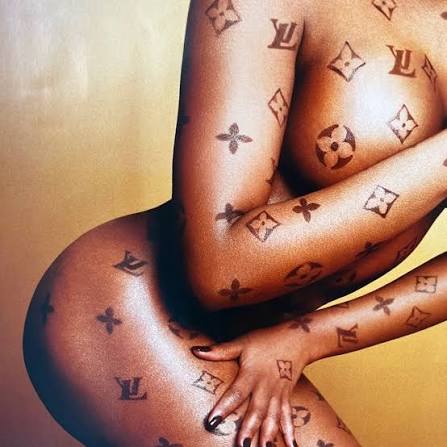
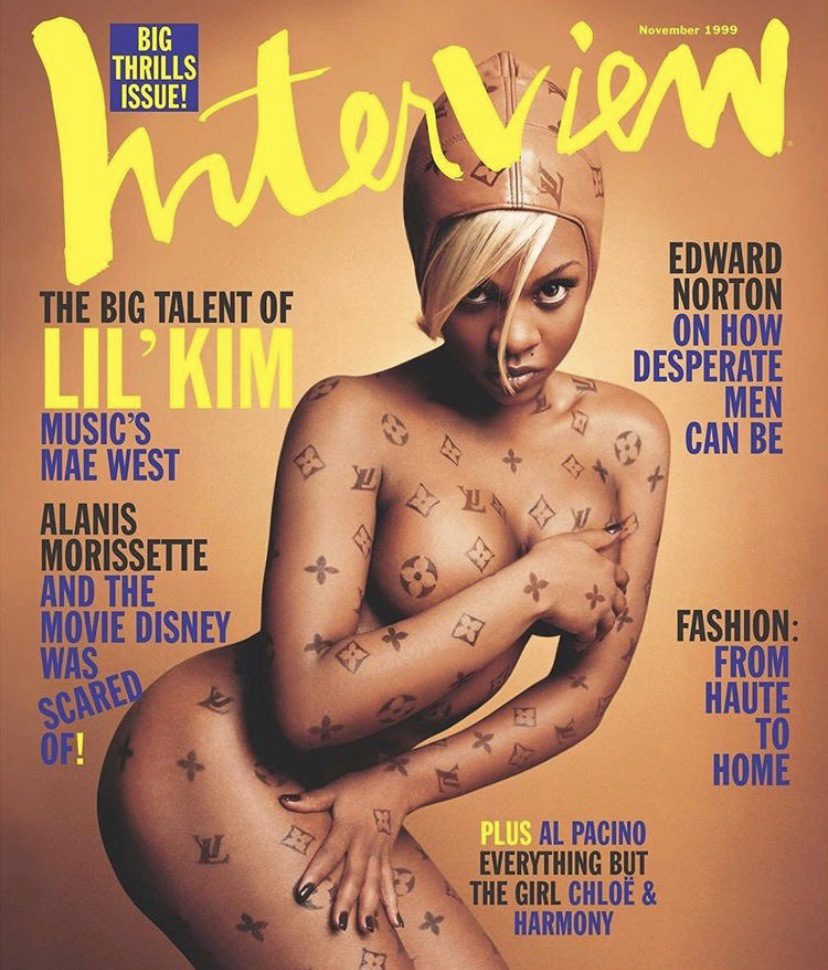
Lil’ Kim’s iconic Louis Vuitton-themed November 1999 Interview cover, shot by David LaChappelle
Behind many of these unforgettable looks was celebrated stylist Misa Hylton, whose creative vision helped shape the visual identity of hip-hop throughout the 1990s. Together, Kim and Hylton helped establish a new fashion language that blended luxury labels, bold styling, glamour and streetwear.
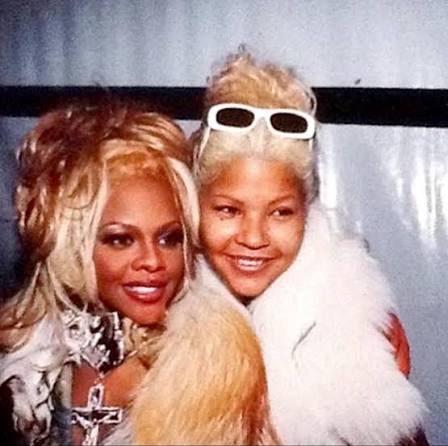
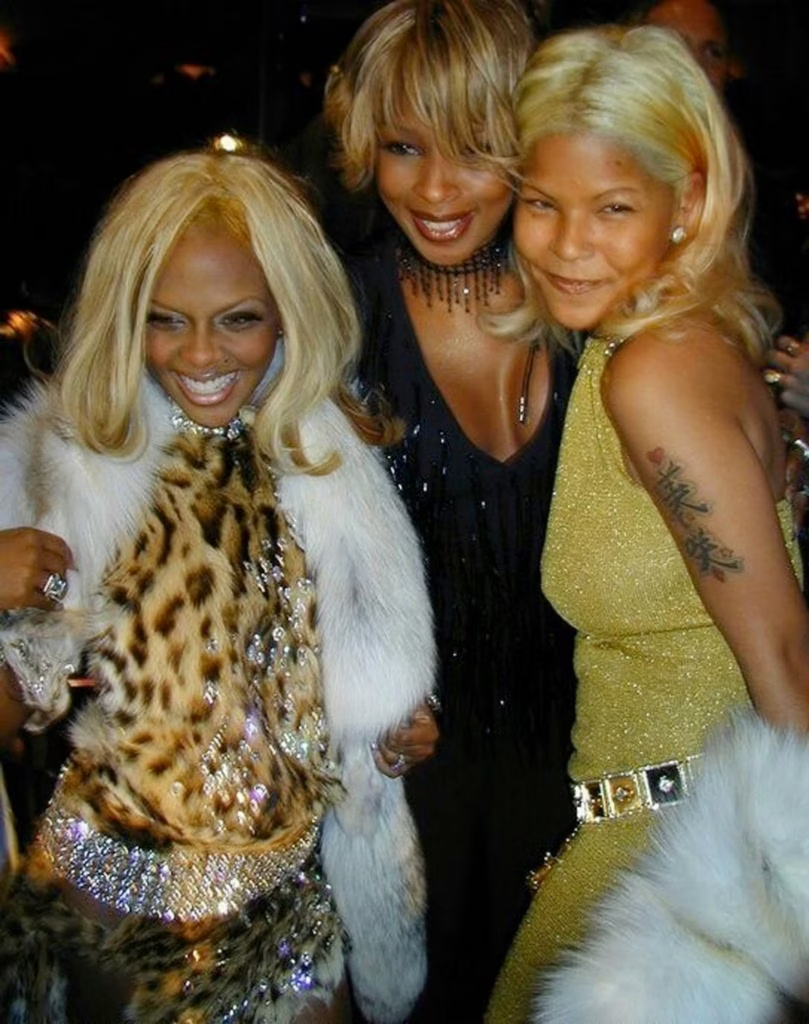
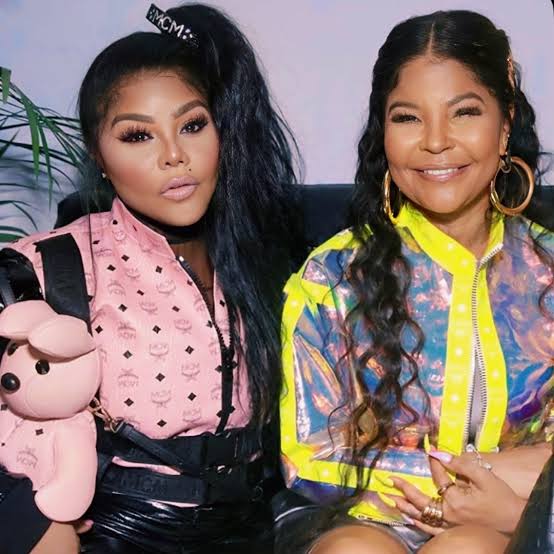
What made Kim particularly important was her refusal to separate her cultural identity from her fashion choices. She didn’t have to adopt the understated aesthetic that dominated much of mainstream fashion to be considered stylish. Instead, she embraced colorful wigs, elaborate hairstyles, furs, coordinated ensembles, statement jewelry, daring silhouettes and unapologetic glamour.
Her style reflected the creativity of Black women and the communities that influenced her. Many of the elements that once existed outside traditional fashion conversations would eventually find their way onto luxury runways, celebrity red carpets and social media.
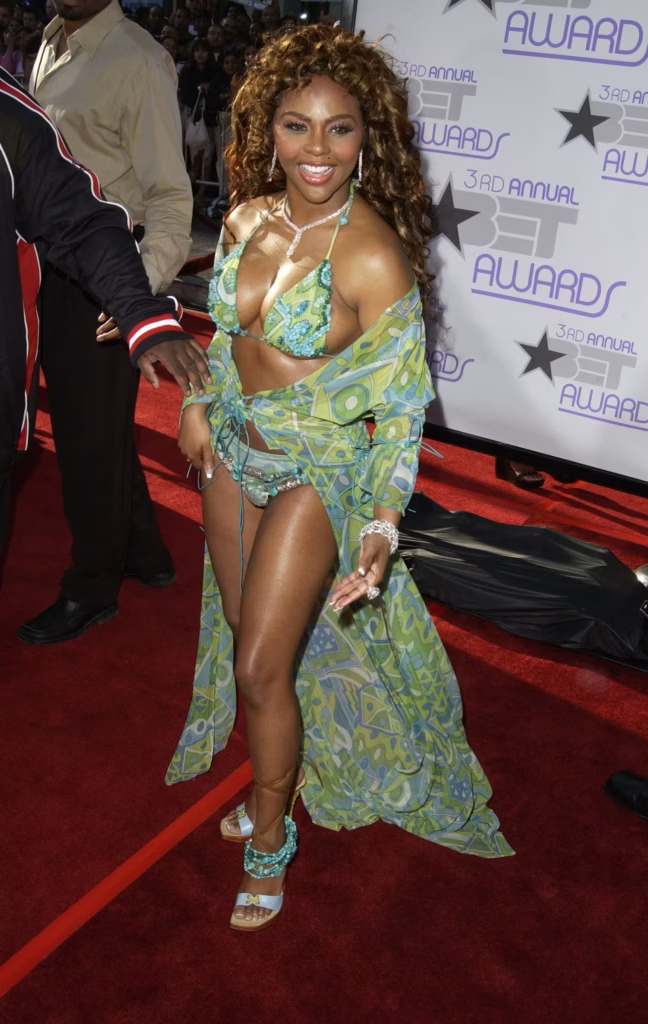
The rapper wore a blue and green bikini and chiffon cover-up at the 2003 BET Awards.
Today, the influence of Lil’ Kim can be seen throughout contemporary fashion and entertainment. From Nicki Minaj and Cardi B to Megan Thee Stallion, Doja Cat and other women who have embraced fashion as an extension of their artistry, the blueprint Kim helped establish continues to evolve. The colorful wigs, theatrical ensembles, provocative styling and fearless combination of luxury fashion and hip-hop are all part of a visual legacy she helped build.
Her influence also reaches beyond the artists who followed her. Fashion enthusiasts continue to revisit her archival looks, while a new generation discovers the creativity and individuality that made her style so distinctive. Her fashion moments have become reference points for editorial shoots, celebrity costumes, Halloween tributes and contemporary styling.
Of course, Hard Core was about more than fashion and controversy. It was an important cultural statement from a young Black woman who refused to allow an industry dominated by men to dictate how she should sound, look or present herself. Her confidence, ambition and willingness to challenge expectations helped open doors for the women who followed.
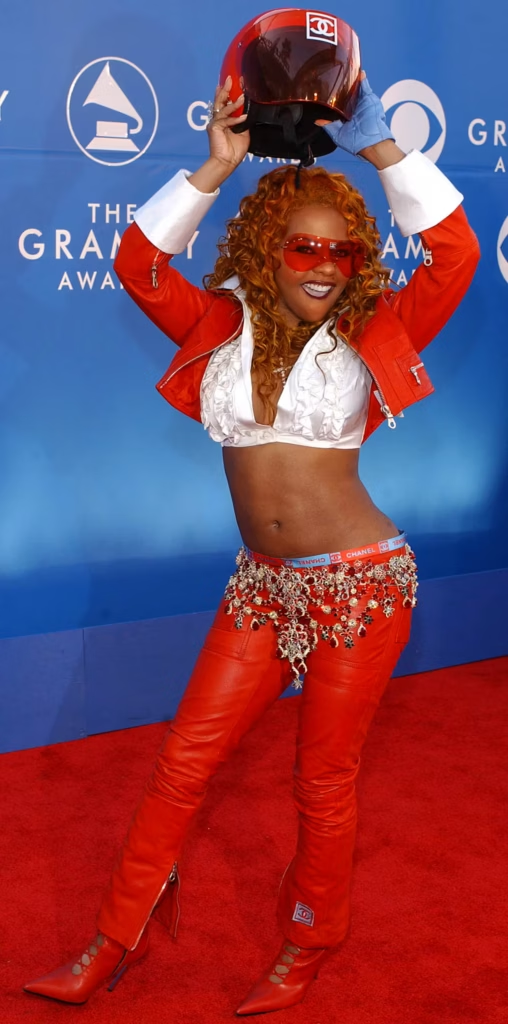
Kim was moto-chic at the 2002 Grammy Awards when she wore a red Chanel look complete with a “CC” helmet, low-rise pants, and a cropped leather jacket.
On November 12, 2026, the Empire State Building will also honor the anniversary, welcoming Lil’ Kim for a special tower-lighting ceremony in recognition of the album’s legacy and her lasting contributions to music and culture. It is a fitting tribute to a Brooklyn native whose influence reached far beyond the borough and helped shape the cultural identity of an entire generation.
Thirty years later, Hard Core remains a landmark moment in hip-hop, but Lil’ Kim’s legacy deserves to be celebrated on an even broader scale. She was a musical trailblazer, a fashion risk-taker and a cultural force who challenged the boundaries of two industries that weren’t always prepared to embrace her.
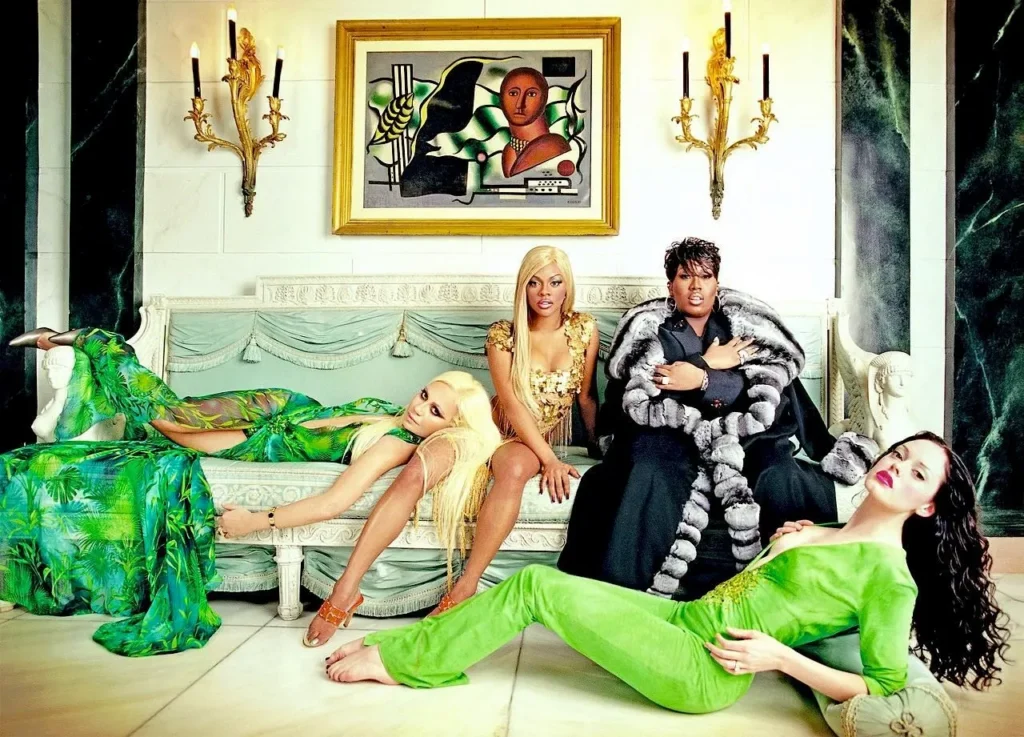
Kim with long-time friends Donatella Versace, Missy Elliot and Rose McGowan photographed by David LaChapelle for Interview Magazine in 2000
At D.M. Fashion Book, we believe fashion history should recognize the people who helped move the culture forward. Lil’ Kim is undoubtedly one of those people. Her contributions deserve recognition not simply as a female rap pioneer or a hip-hop fashion icon, but as a fashion icon, period.
Three decades after Hard Core, the Queen Bee is still setting the standard. And if there is one thing her legacy has taught us, it is that you don’t have to wait for the fashion industry to give you permission to be iconic.
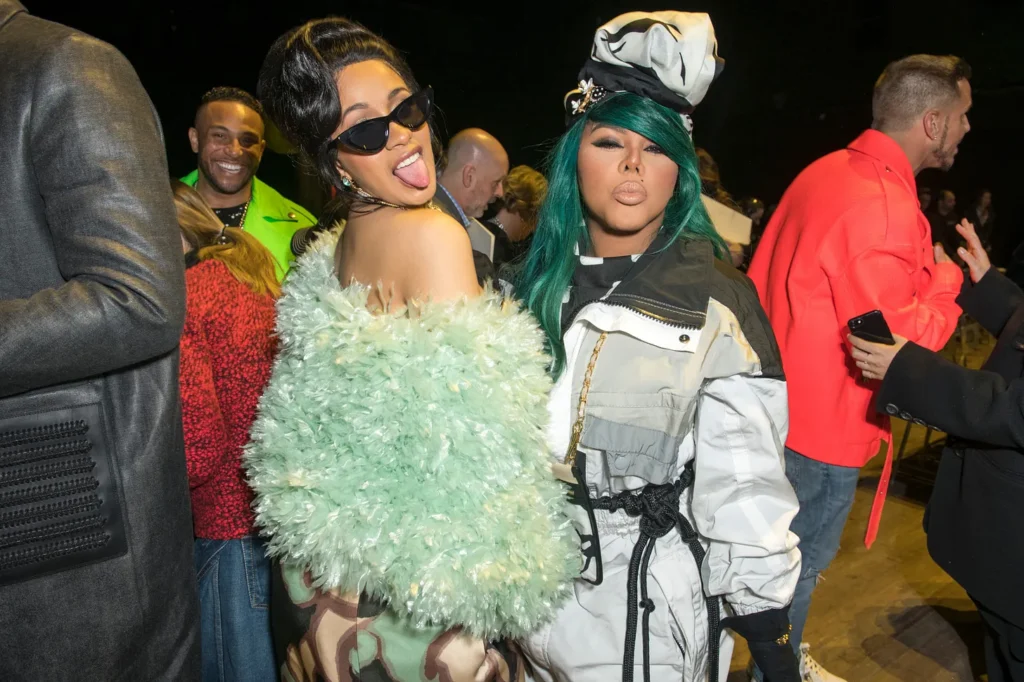
Kim and one of her rap daughters, Cardi B at Marc Jacobs Spring 2018
Happy 30th Anniversary to Hard Core and its Queen Bee, Lil’ Kim.
By Donovan Moore
D.M. Fashion Book


